
 Share
ShareINDEE3 in Mumbai: Advancing Sustainable Cooling Through Collaboration, Innovation, and Natural Refrigerants
The meetings held in Mumbai, India, in mid- March 2026 were organized within the framework of the INDEE3 project, focusing on advancing sustainable cooling and heating solutions. Discussions brought together international partners to address key topics such as natural refrigerants, capacity building, and the development of efficient cold chains. The International Institute of Refrigeration (IIR) was represented by PhD Anna Pacak, Research Fellow at IIR.
The meetings in India started with the Norwegian Consulate General. SINTEF Ocean and IIR representatives focused on introducing the INDEE3 project and exploring opportunities for cooperation in sustainable cooling and refrigeration. Key discussions addressed the green transition, including natural refrigerants, links to energy solutions such as LNG, and the need for certification and skills development due to the shortage of qualified experts. Demonstration activities, particularly in regions such as Goa and at BITS Pilani, were highlighted alongside potential expansion to new applications, including maritime systems and cold chain solutions for fisheries and food logistics. The exchange also covered broader topics such as trade, infrastructure, and policy development, emphasizing the importance of linking research, industry, and capacity building to support sustainable cooling in India.
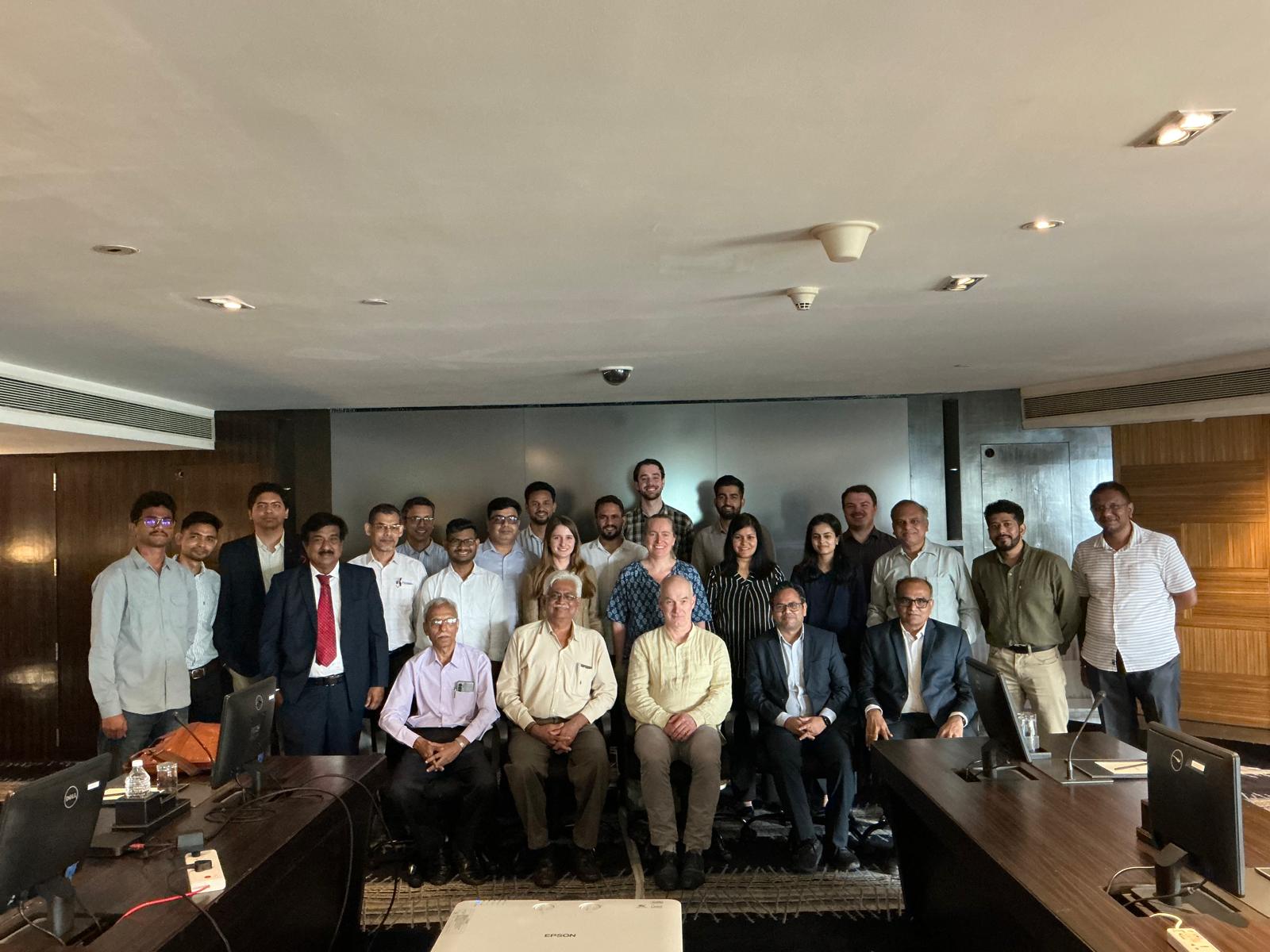
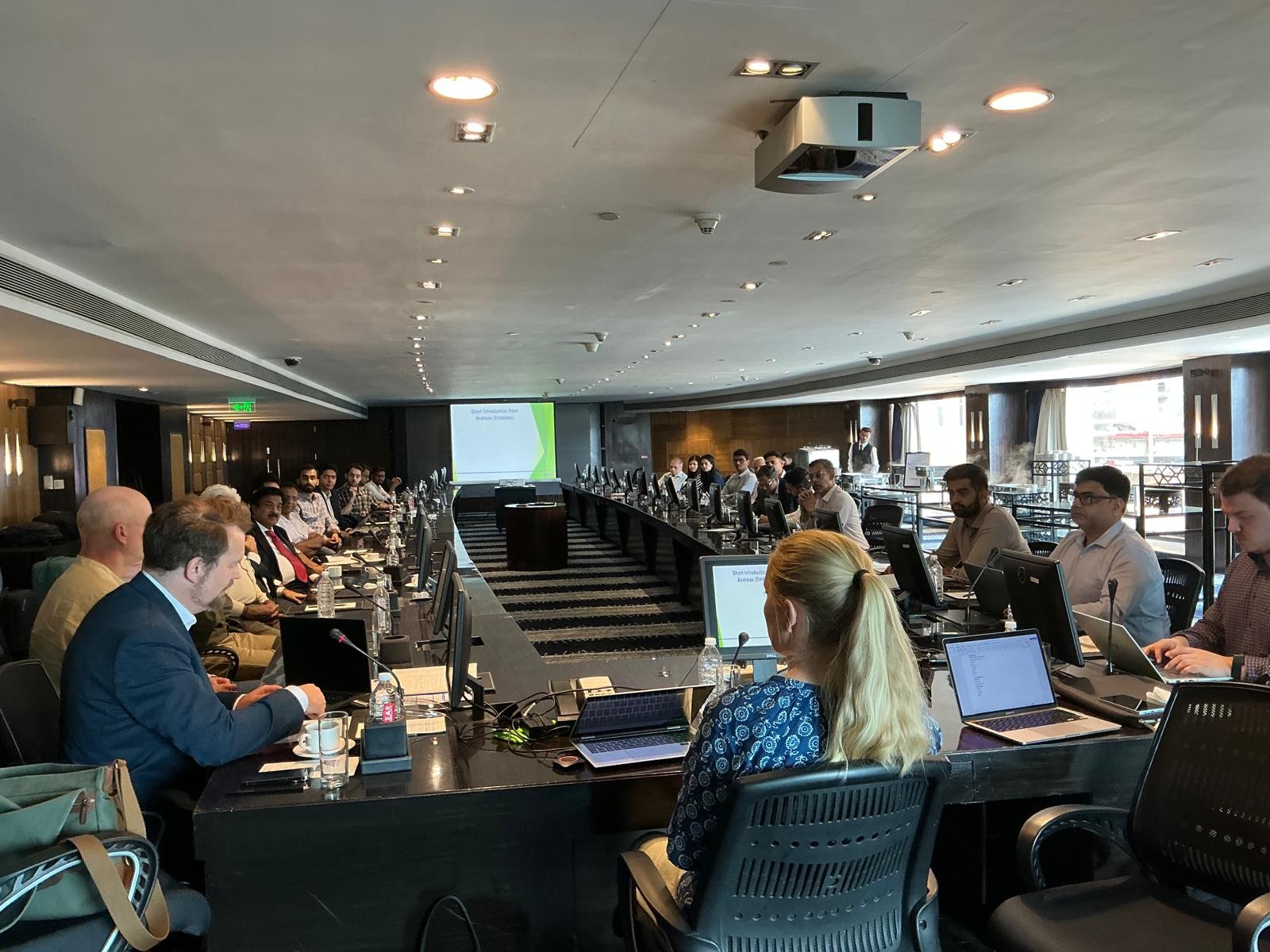
These priorities were further reflected during the project meeting, where partners reviewed progress across work packages and aligned their activities for the coming months. Discussions focused on strengthening collaboration between institutions, advancing training and certification efforts, and making better use of existing tools, demonstration sites, and research infrastructure. Looking ahead, partners expressed a strong commitment to expanding outreach, engaging new stakeholders, and ensuring that project results translate into tangible, real-world impact.
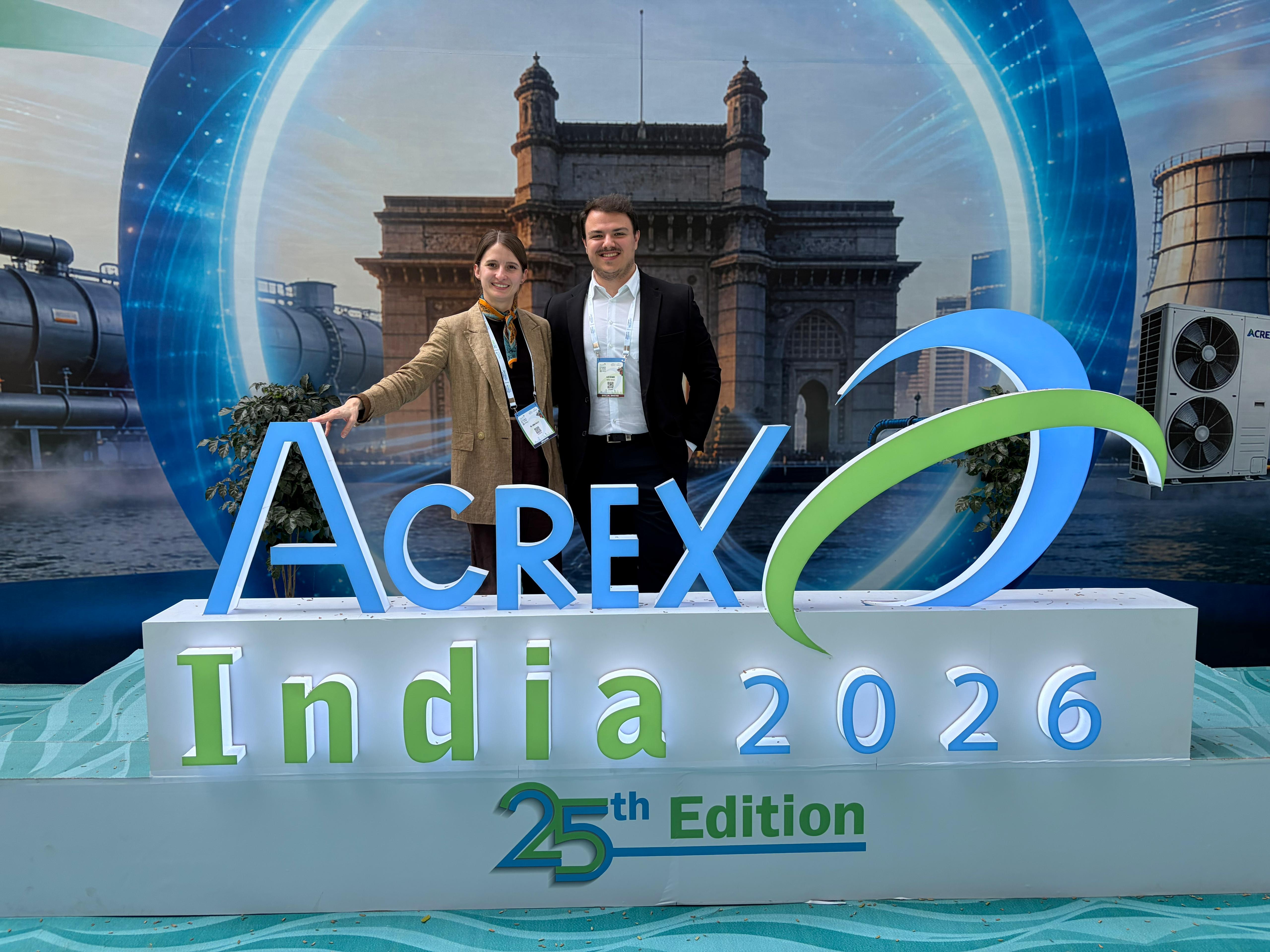
This broader context of collaboration and knowledge exchange was also evident at ACREX India 2026, held on 12–14 March at the Bombay Exhibition Centre in Mumbai. As South Asia’s largest platform for HVAC, refrigeration, and intelligent building technologies, the event-organized by ISHRAE-brought together global industry leaders, innovators, and researchers. Under the theme “Unlocking Business Potential: Enhancing Opportunities, Accelerating Growth, Building a Better World,” ACREX highlighted the role of HVAC technologies in supporting sustainable development and healthier built environments. From the IIR perspective, the event is particularly significant given the rapid expansion of the Indian HVAC market, driven by urbanization, energy efficiency policies, and increasing demand for sustainable cooling solutions.
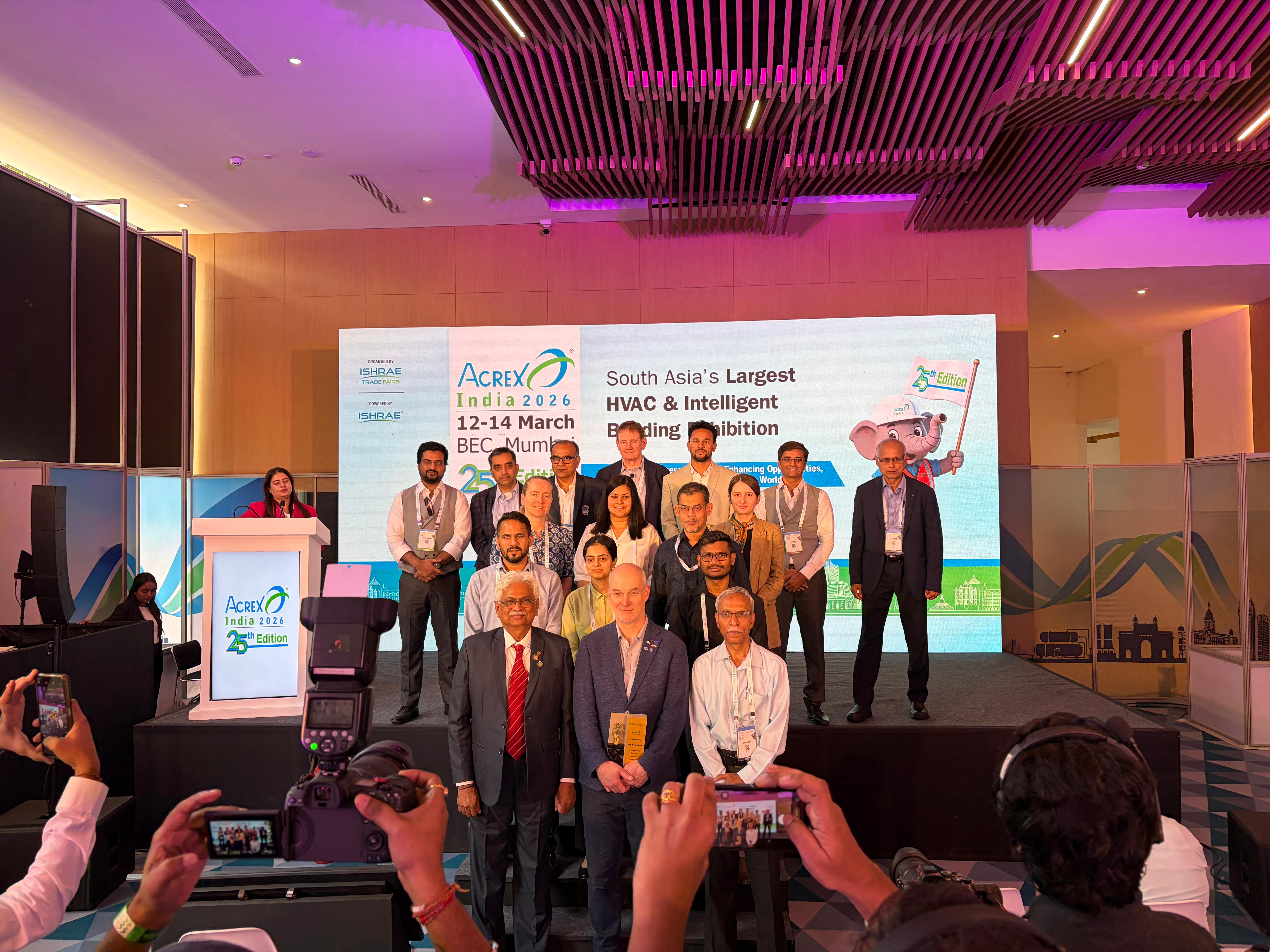
Within ACREX, the INDEE3 seminar on “Sustainable Cooling and Heating: Natural Refrigerants for India’s Future” provided a focused platform for presenting recent research findings and outlining the project’s objectives. The session featured 14 presentations and was attended by over 60 participants. It emphasized the global transition away from conventional refrigerants such as CFCs, HCFCs, and HFCs-driven by ozone depletion, high global warming potential, and evolving international regulations—towards natural refrigerants including CO₂, ammonia, and hydrocarbons. Particular attention was given to concerns related to HFOs, including PFAS formation and potential long-term environmental impacts, reinforcing the need for fluorine-free alternatives. The INDEE3 project aims to support this transition in India through demonstration projects, lifecycle refrigerant management, and capacity building across sectors. Several studies demonstrated that systems using natural refrigerants can achieve higher energy efficiency, lower leakage rates, and reduced lifecycle emissions, with technologies such as CO₂ cascade systems, high-temperature heat pumps, district cooling, ejector refrigeration systems, and R290-based cold storage presented. At the same time, key technical challenges-such as safety, system optimization, and oil management in compressors-were identified as critical for reliable and scalable implementation.
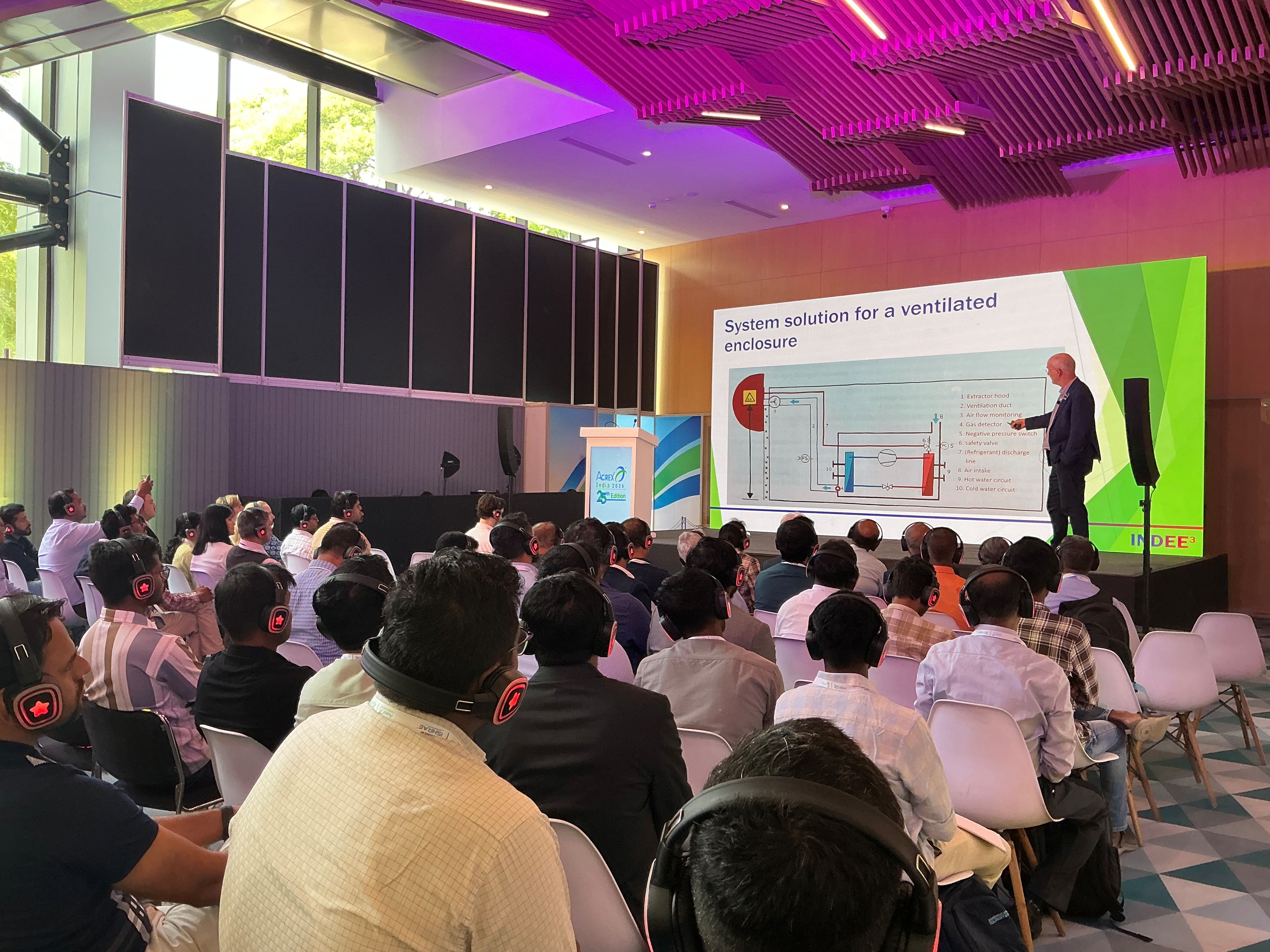
Overall, the discussions highlighted that accelerating the transition toward sustainable cooling requires a coordinated approach combining scientific research, industry innovation, policy support, and capacity building.