
 Share
ShareUNIDO Sustainable Cooling Forum 2026
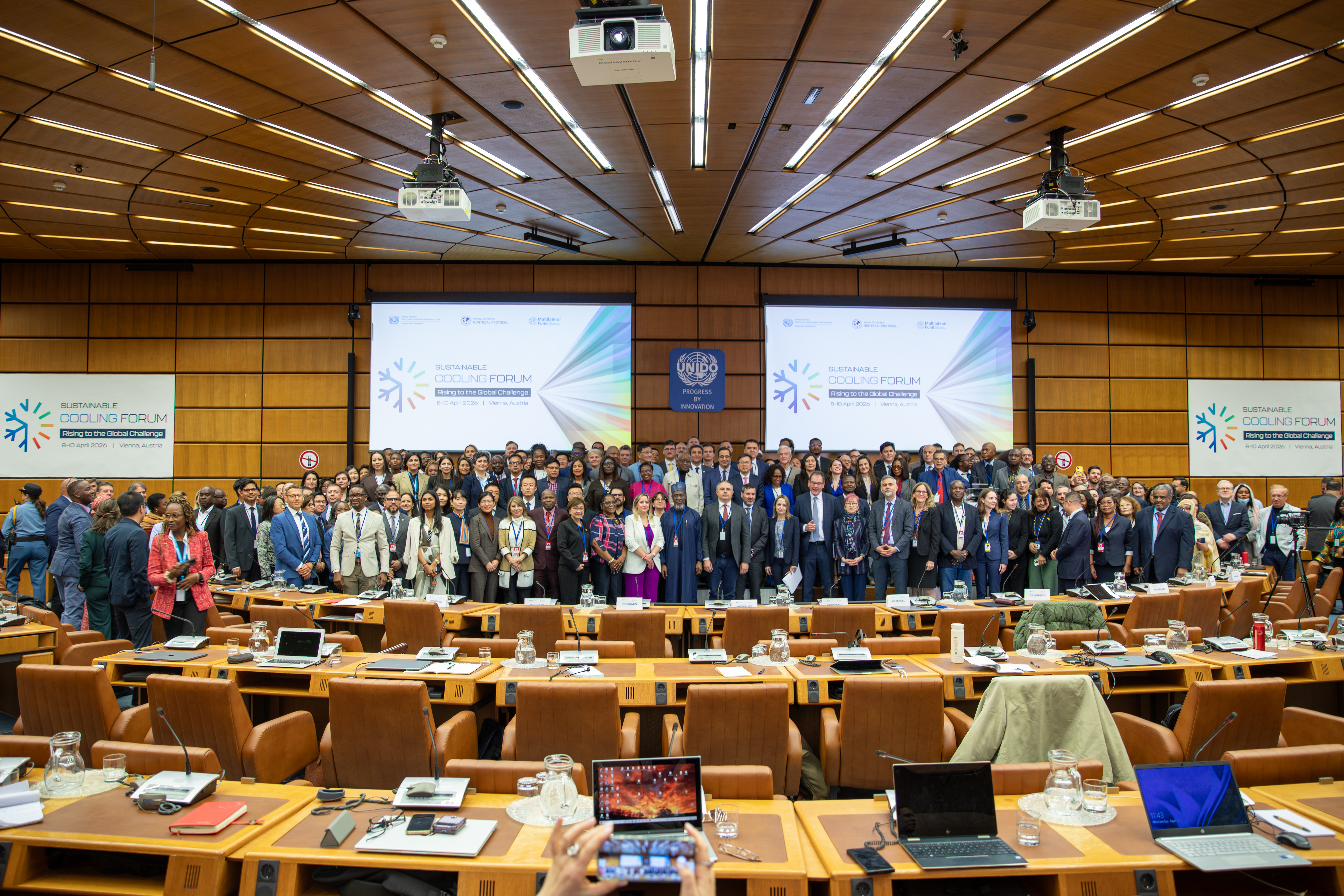
The Sustainable Cooling Forum, organized by United Nations Industrial Development Organization (UNIDO) in Vienna in April 2026, brought together high-level representatives from governments, international organizations, and the scientific community to address one of the most pressing global challenges: ensuring sustainable and equitable access to cooling.
Opening session
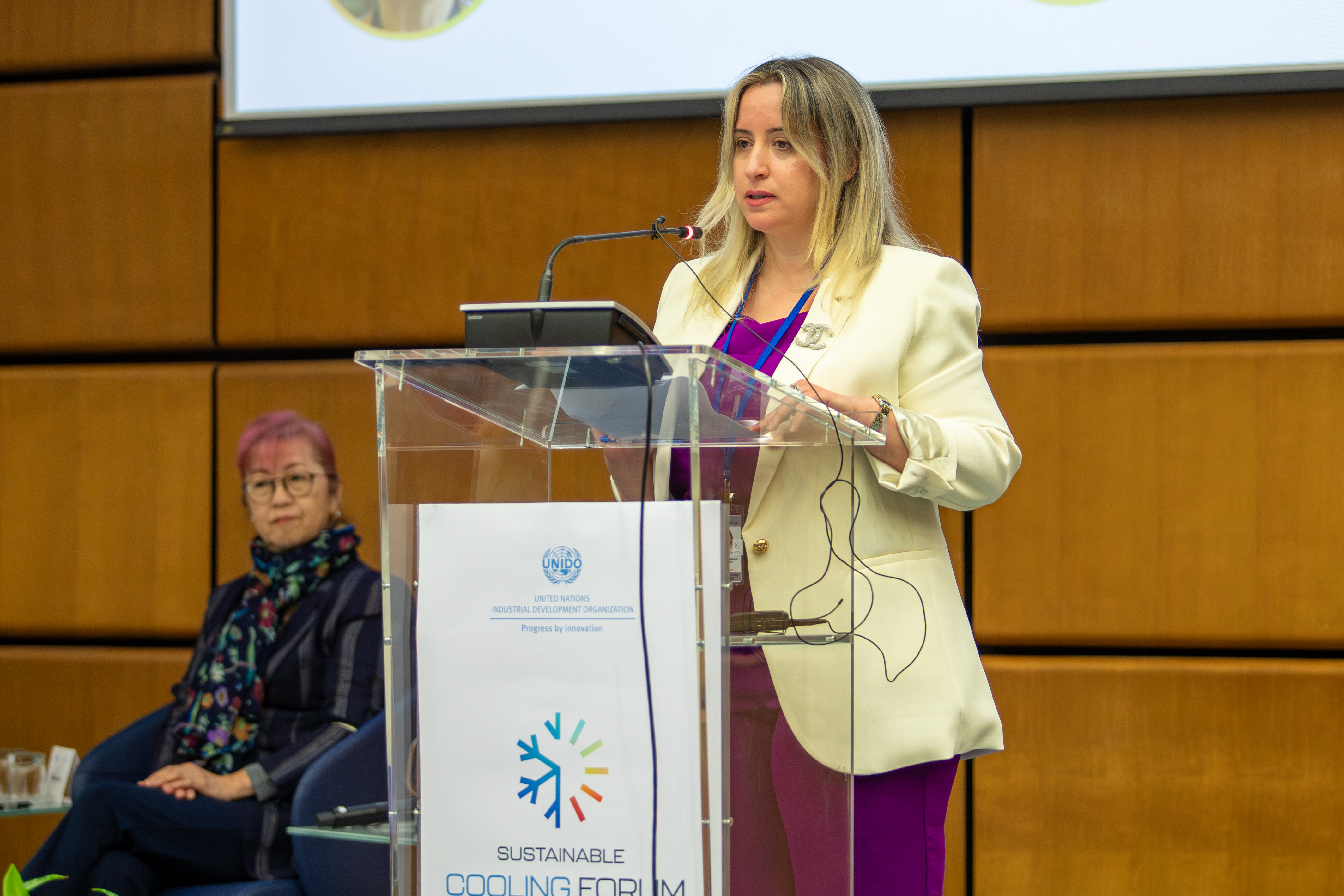
The opening session gathered high-level representatives. Ms. Yosr Allouche, Director General was honoured to represent IIR and contribute to the panel alongside Mr. Gerd Müller, Director General of UNIDO; Mr. H. E. Balarabe Abbas Lawal , Minister of Environment of Nigeria; Mr. H. E. Mr. Aiman A. Suleiman, Minister of Environment of Jordan; Ms. Megumi Seki Nakamura , Executive Secretary of the Vienna Convention and Montreal Protocol (Ozone) Secretariat; Ms. Tina Birmpili, Chief Officer of the Multilateral Fund for the Implementation of the Montreal Protocol.
The global achievements were highlighted such as the phase-out of 99% of ozone-depleting substances, and the urgent collective responsibility we face to develop affordable and scalable solutions and to include cooling as part of a larger sustainable energy system. It was also underlined that there is a need to address cooling challenges by mitigation, adaptation, and including natural based solutions.
IIR's role
As a technical partner to UNIDO, the IIR reinforced its strategic role in connecting science to policy through its approach “Science of Cold in Action.”
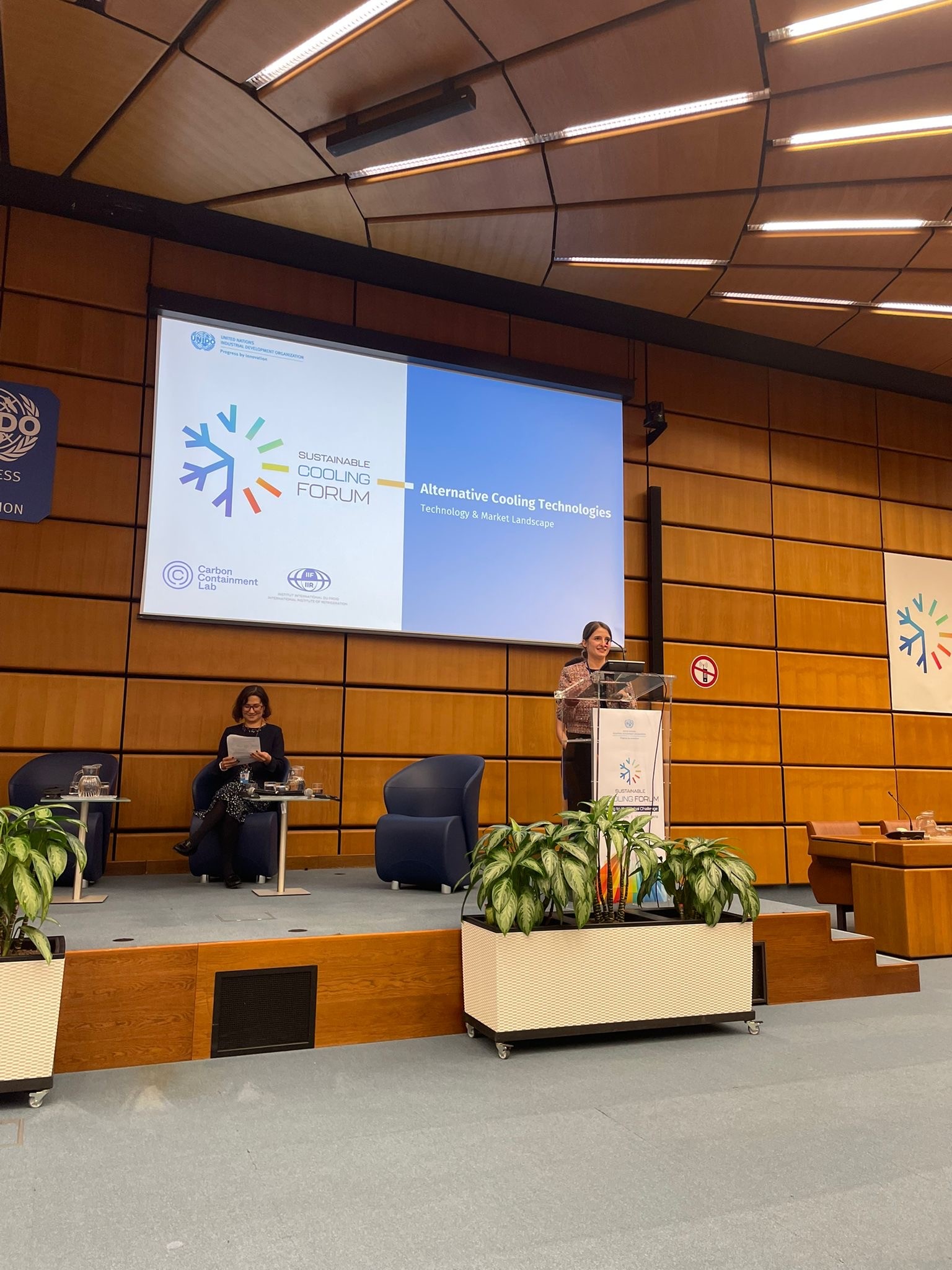
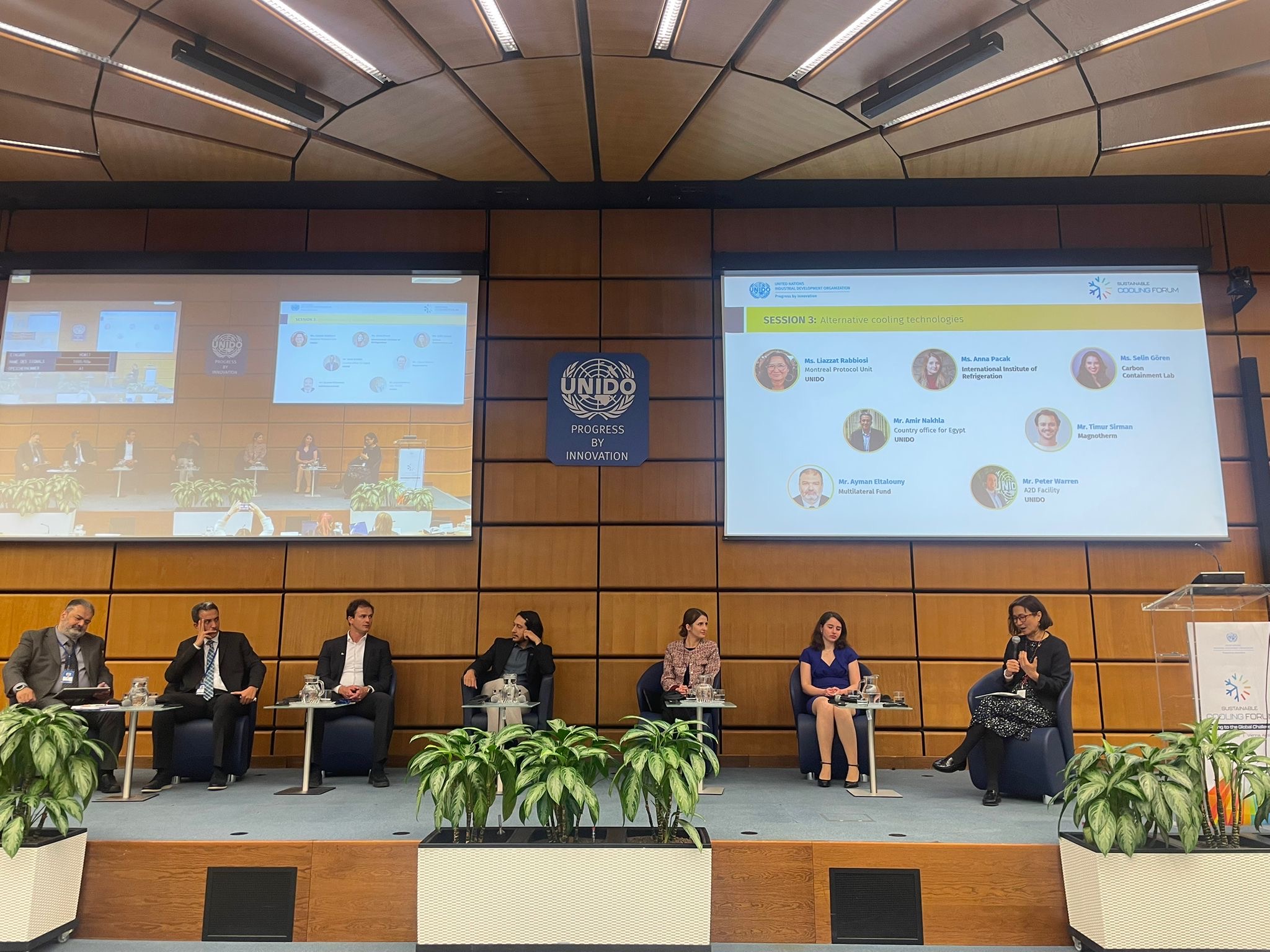
Due to this last few months IIR contributed to UNIDO actions by developing a mapping and taxonomy of Alternative Cooling Technologies (ACTs), in collaboration with the Carbon Containment Lab. This work combines two complementary perspectives: fundamental scientific principles and practical applications.
Ms. Anna Pacak demonstrated IIR’s work explaining how scientific structuring can support decision making process by selecting the proper and reasonable technology depending on the cooling application and climatic conditions. It is worth to be mentioned that the taxonomy of ACTs reflects the different of available technologies, including passive, active and hybrid solutions, as well as their combination with conventional refrigeration technologies.
The message resonated with a systems thinking approach presented by Mr. Steffen Lohrey from IIASA, and with adaptation solutions presented by Eleonora Gatti from UNIDO. These contributions reinforced the importance of addressing sustainable cooling challenges in an integrated way.
Insights form Vienna Energy and Climate Forum
During the Forum, IIR representatives Ms. Anna Pacak and Mr. Alberto Coronas also participated in the International Vienna Energy and Climate Forum, organized by UNIDO. Listening to Mr. Hans Joachim Schellnhuber from International Institute for Applied Systems Analysis (IIASA), one key message emerged: we cannot reduce complexity - we need to accept it and embrace diversity.
From knowledge to implementation
It directly illustrates how embracing diversity of solutions can respond to the complexity of cooling challenges. In this context, the developed taxonomy represents not only a technical classification, but it also shows the diversity of solutions that can support managing the complexity by system thinking while designing sustainable cooling systems.
The Sustainable Cooling Forum demonstrated that while technologies are available, the key challenge lies in connecting science, policy and implementation. Addressing sustainable cooling requires coordinated approaches, stronger collaboration and the ability to deploy the right solutions adapted to specific contexts.