 Share
ShareIIR Advances global dialogue on dehumidification and alternative cooling technologies at OEWG48 in Bangkok
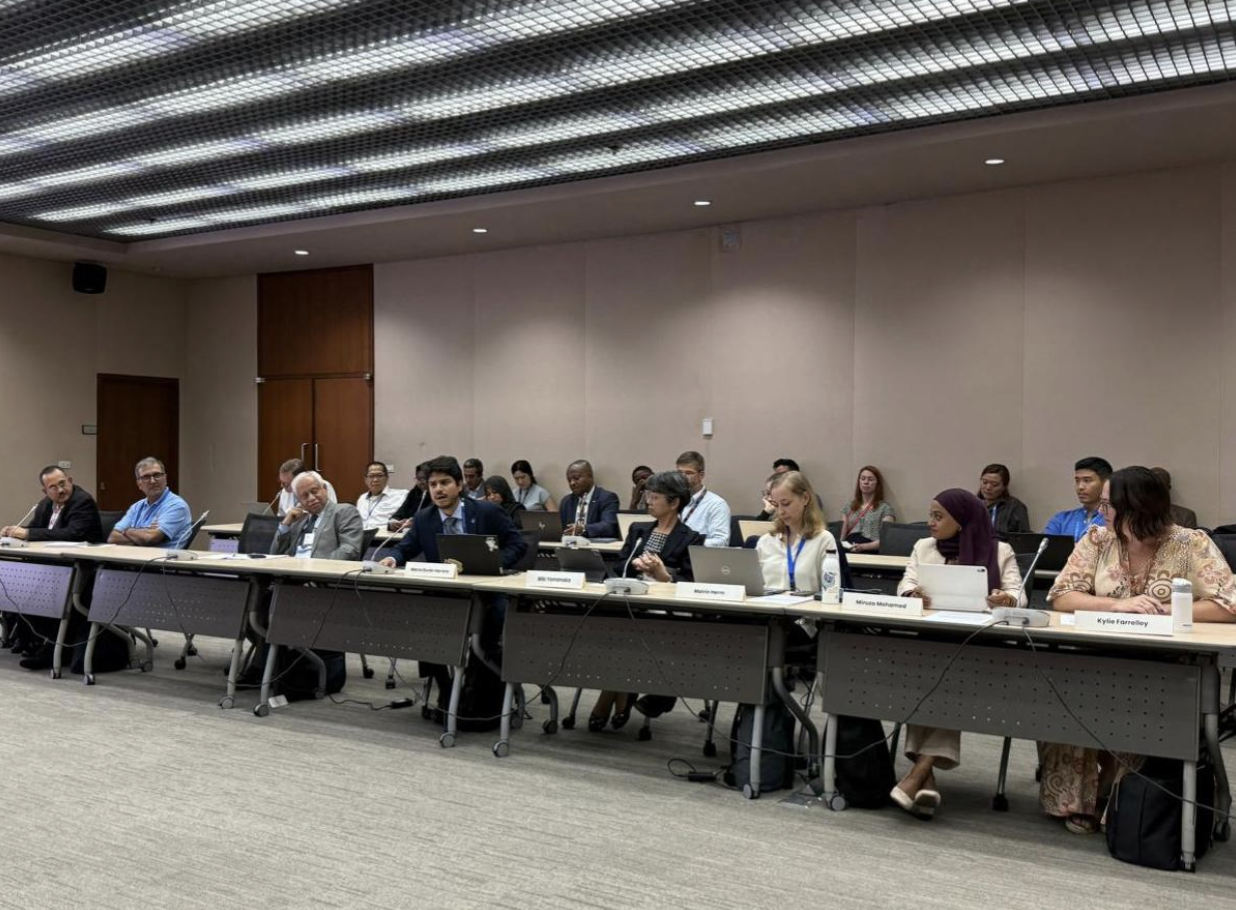
At OEWG48 in Bangkok, the IIR launched a new technical publication on dehumidification and contributed to two further side events on alternative cooling technologies and servicing-sectorreadiness.
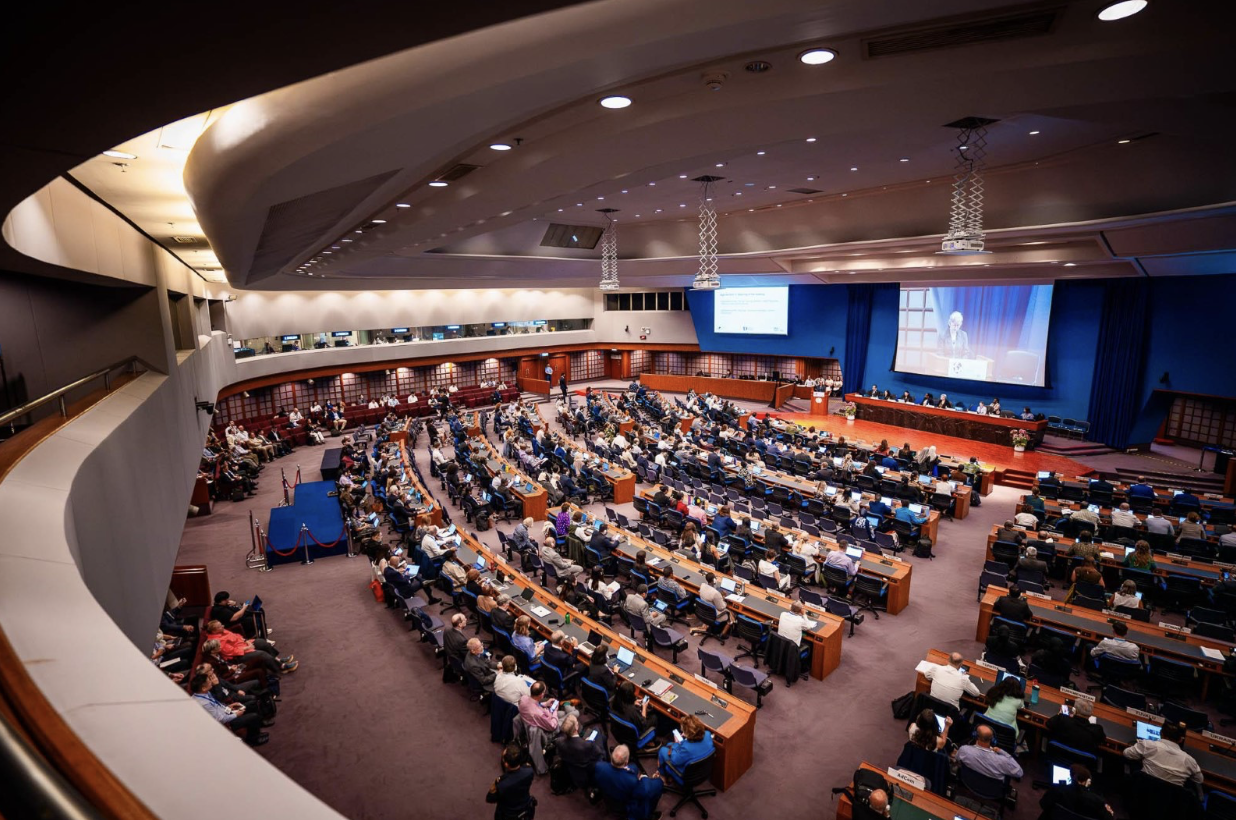
Photo by IISD/ENB | Danny Skilton
Dehumidification accounts for more than half of the cooling load, and the associated energy consumption , in many air conditioning systems, particularly in hot and humid climates, yet it remains one of the least discussed aspects of the cooling sector.
During the 48th Meeting of the Open-Ended Working Group (OEWG48) to the Montreal Protocol, held in Bangkok, the International Institute of Refrigeration (IIR) took an active role in advancing this conversation, launching a new technical publication and contributing to two further side events on alternative cooling technologies and servicing-sector readiness.
Through these engagements, the IIR reaffirmed its commitment to supporting the Montreal Protocol's objectives by bringing together researchers, industry representatives, and policymakers to address the technical, technological, and human capacity dimensions of the refrigerant transition.
OEWG 48 Agenda
- The 2027–2029 replenishment of the Multilateral Fund for the Implementation of the Montreal Protocol Scenarios for the reorganisation of the Technology and Economic Assessment Panel and the Technology Option Committees (TOCs)
- Enhancing regional atmospheric monitoring of controlled substances and strengthening institutions for addressing illegal trade.
- Ensuring the viability of the Montreal Protocol operations and proposals on how to optimise its operation
- Special attention was place to the implementation needs of low-volume- and very-low-volume-consuming countries and the possible future consideration of nitrous oxide.
IIR Launches New Technical Brief on Dehumidification at OEWG48 Side Event in Bangkok
Why Dehumidification Matters
Dehumidification is responsible for more than half of the cooling load, and the associated energy use, in many air conditioning systems, particularly in hot and humid climates. As cooling demand accelerates across Southeast Asia and other tropical regions, efficient humidity control is increasingly recognised as central to limiting the energy and climate footprint of that growth. By conveningresearchers, industry and policy voices in the same room, the side event aimed to sharpen the conversation on how faster deployment of efficient dehumidification technologies can support both climate mitigation and adaptation goals under the Montreal Protocol.
Inside the Side event
The evening opened at 18:00 with a welcome reception and networking, setting an informal tone before the formal proceedings began. Souhir Al-Hammami of the IIR welcomed participants and opened the session, followed by remarks from co-organiser Wang Congfei of CAR. Then the new publication, outlining its context and scope have been introduced for the audience.
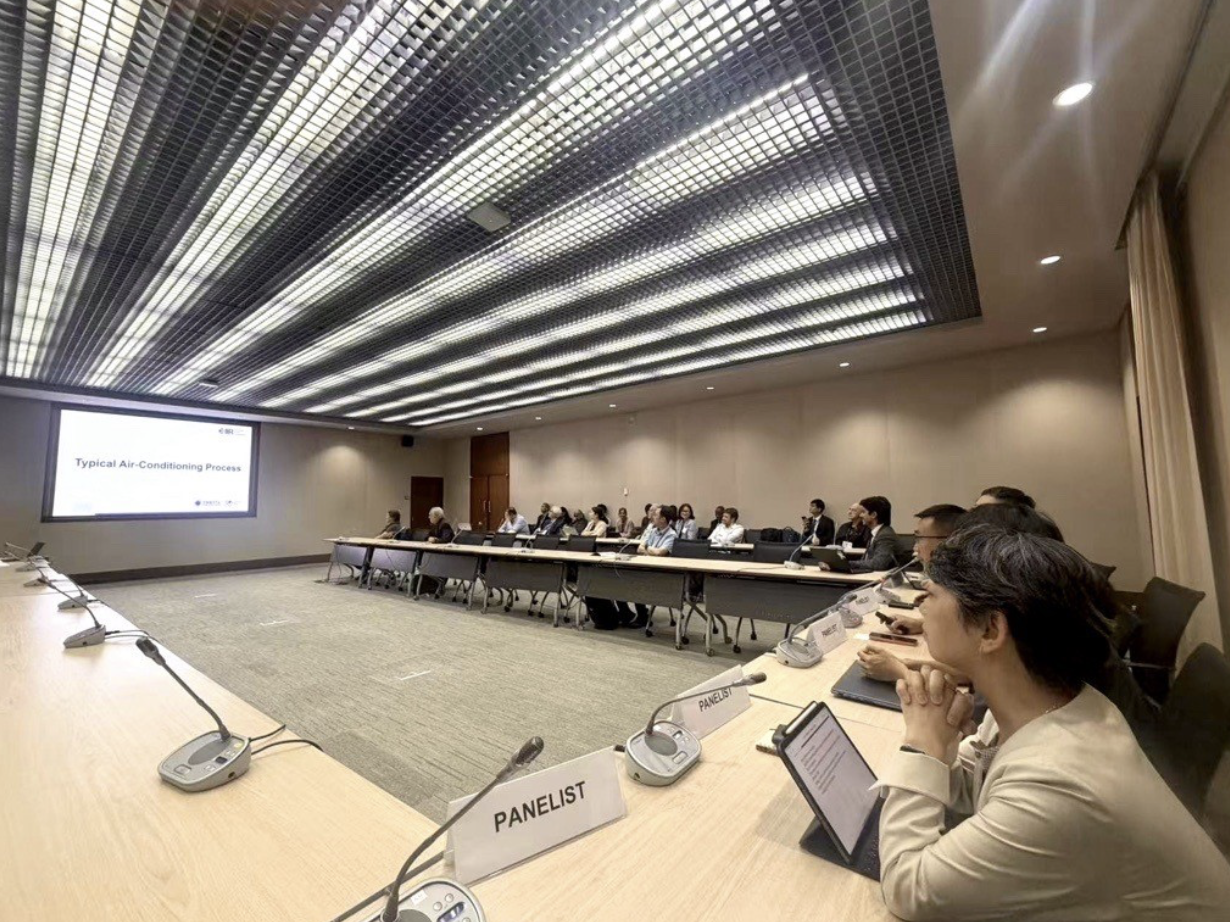
The technical heart of the evening followed, with three presentations:
- Prof. Zhang Tao (Tsinghua University) opened with an overview and comparison of air conditioning processes and dehumidification technologies, laying out the landscape from established to emerging approaches.
- Dr. Zhiyao Ma (Tsinghua University) followed with a look at emerging technologies and their industrial applications.
- Miki Yamanaka (Daikin) brought an industry perspective, addressing the practical challenges and opportunities manufacturers face in bringing efficient dehumidification to market.
- Marco Duran of the IIR then presented the publication's recommendations and key actions for policymakers, translating the technical findings into guidance for regulators and international bodies.
An open Q&A session gave the floor to all speakers before Zhao Na of CAR delivered closing remarks and outlined next steps, bringing the event to a close at 20:00.
IIR partner with the Carbon Containment Lab and UNIDO to open discussion on the potential of Alternative Cooling Technologies in contributing to the HFC phase down
Together with CC Lab and UNIDO, the IIR organised the side event “Unlocking Alternative Cooling Technologies at Scale: Towards Kigali+10 and Beyond”. Maas Goote of Carraway Strategies welcomed participants as the facilitator of the event.
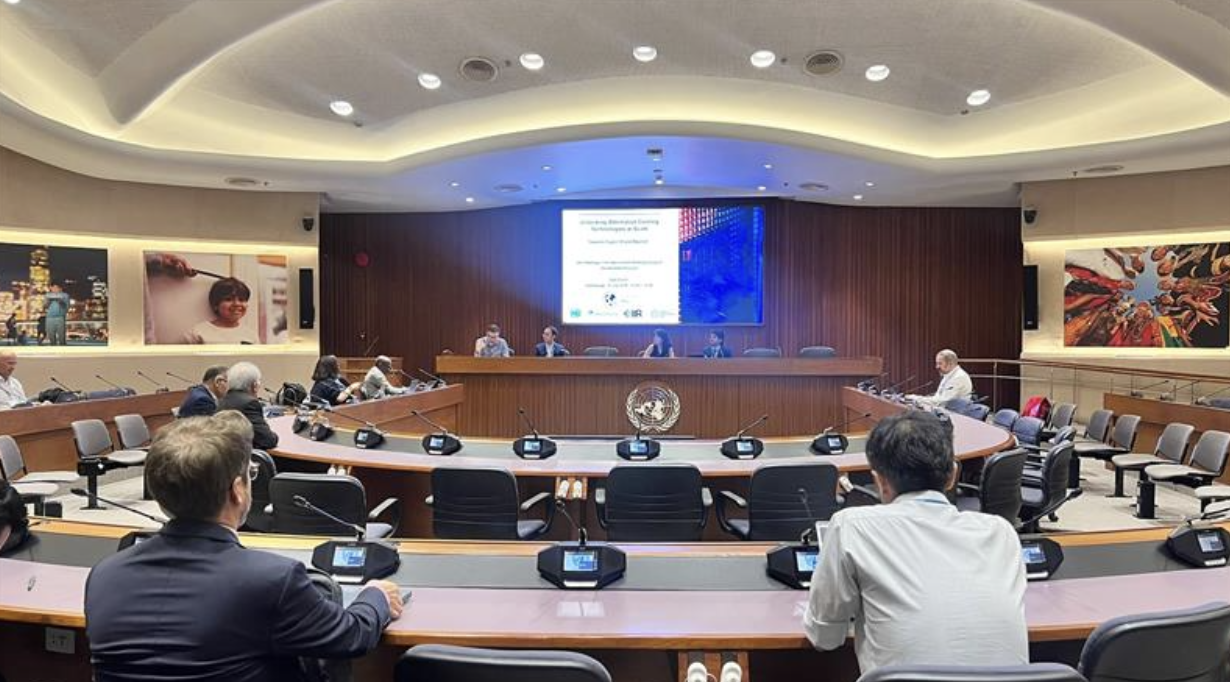
Marco Duran shared with the audience on the ongoing work by the partners to develop a proposed taxonomy and mapping ACTs with the objective of strengthening the common understanding and terminology used across sectors and a decision-support to better integrate ACTs as solutions that enable progress in the Montreal Protocol commitment.
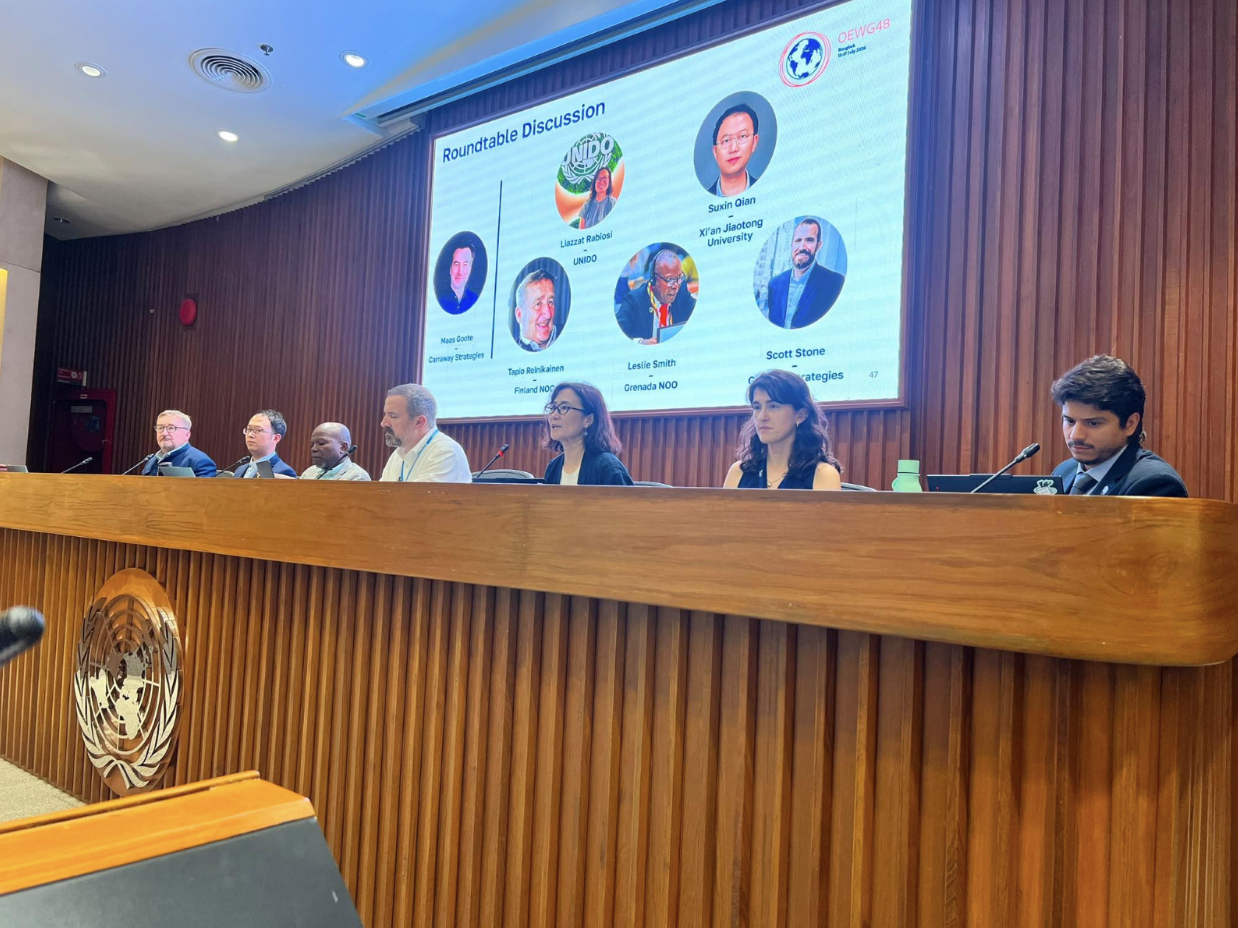
Prof. Suxin Qian of the Xi’an Jiaotong University shared his perspectives on technology availability, readiness and existing applications in the market. Öznur Öztürk, share with the audience the perspectives of start-ups and business that are implementing ACTs in bringing readily available solutions into the market. The roundtable discussion brough Liazzat Rabbiosi from UNIDO, Tapio Reinikainen from Finland, Leslie Smith from Grenada, Prof. Suxin Qian from Xi'an Jiaotong University and Scott Stone, Glencoe Strategies to discuss about the experiences of Finland and China in deploying ACT applications, Grenada’s efforts to unlock deep-sea water cooling applications, the opportunities for non-refrigerant based technologies to contribute to the HFC phase down in the Montreal Protocol and the large business potential to scale up these technologies.
Building opportunities to align the servicing sector with the refrigerant transition
The IIR was also represented by Marco Duran at the “Preparing the Servicing Sector for HFC Alternatives to Support Kigali Implementation” side event organised by Natural Resources Defense Council (NRDC) and Climate and Clean Air Coalition (CCAC). The event showcased experiences and best practices from both A5 and non-A5 Parties in developing and implementing service technician training and certification programmes, the discussion focused on key lessons, enabling policies, institutional arrangements, and capacity-building models that can help Parties strengthen servicing-sector readiness and support Kigali Amendment implementation.