
 Share
ShareLaunching of SeCrioNet, the first Spanish scientific network dedicated to cryobiology
Currently based at the University of Vigo, Spain, SeCrioNet brings together experts from various disciplines to promote research, technological development and strategic applications of cryopreservation in biomedicine, agriculture, aquaculture and biodiversity.
SecrioNet, the first Spanish network promoting cryobiology research, is born. This network arises from the recently formed Spanish Society of Cryobiology (SeCrio), in response to the absence of a national structure connecting professionals from different fields – biomedicine, animal and plant biology, aquaculture, agriculture, and conservation – developing or applying cryopreservation techniques in their research.
Cryobiology, the science that studies the effects of low temperatures on biological systems, has key applications in the context of climate crisis, biodiversity loss, and the need for sustainable food production. From the preservation of animal and plant gametes and embryos to the creation of genetic resource banks for endangered species, this technology is emerging as a pillar of conservation and development strategies.
Efforts will be made through SecrioNet to promote cryobiology as a strategic tool for biodiversity conservation, genetic improvement, food security, and biotechnological development.
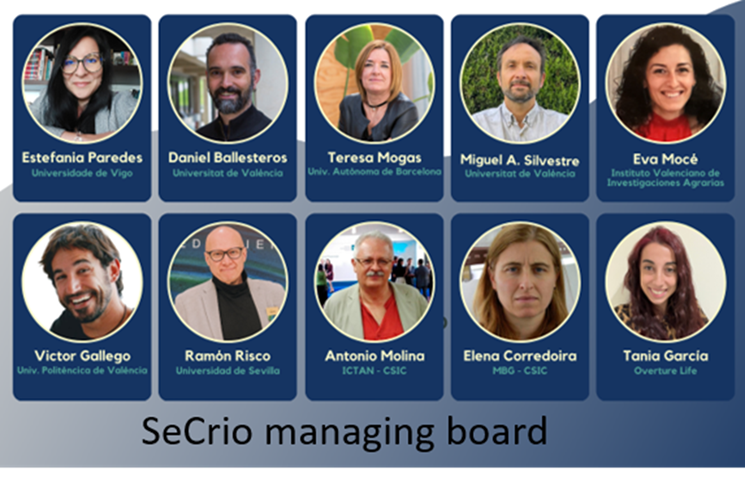
SecrioNet was recently funded by the 2024 call of REDES program of the Spanish State Research Agency, as a project originated in SeCrio and coordinated by Dr. Estefanía Paredes Rosendo, from the University of Vigo. Researchers from several universities, and from CSIC and IVIA public research institutes are taking part, including Antonio Diego Molina-Garcia, IIR delegate for Spain and member of the IIR Commission C1 on cryobiology, cryomedicine and health products.
All updated information about SecrioNet and the Spanish Society of Cryobiology is available at: 🌐 www.secrio.es
- Standardisation of exposure protocols according to the characteristics of the individuals and the expected effects.
- Standardisation of measurement methods during exposure in the various devices currently on the market.
- Safety during exposure to low temperatures.