
 Share
ShareStrengthening Sustainable Agri-Food Cold Chains in Jordan: Policy Dialogue and Technical Capacity Building
As the global authority on refrigeration knowledge, the International Institute of Refrigeration is supporting member countries in translating refrigeration science into real-world impact. In Jordan, the IIR is working with FAO and national partners to strengthen sustainable agri-food cold chains through high-level policy dialogue and hands-on technical capacity building.
In response to growing pressures from climate change, food security challenges, and rising energy costs, Jordan is taking concrete steps to strengthen its agricultural and food cold chain systems. At the end of November and beginning of December 2025, the International Institute of Refrigeration (IIR), in partnership with the Food and Agriculture Organization of the United Nations (FAO) and the Royal Scientific Society / National Energy Research Center (RSS/NERC), implemented a comprehensive programme combining high-level policy dialogue and hands-on technical training in Amman.
The programme was delivered within the framework of the FAO–EBRD project “Improving market opportunities for domestic products through efficient supply chains, storage and distribution infrastructure” and aligned with Jordan’s newly launched National Cooling Action Plan and National Food Security Strategy. It reflects IIR’s mission to disseminate refrigeration knowledge worldwide and to support countries in developing efficient, climate-friendly and food-secure cold chains.
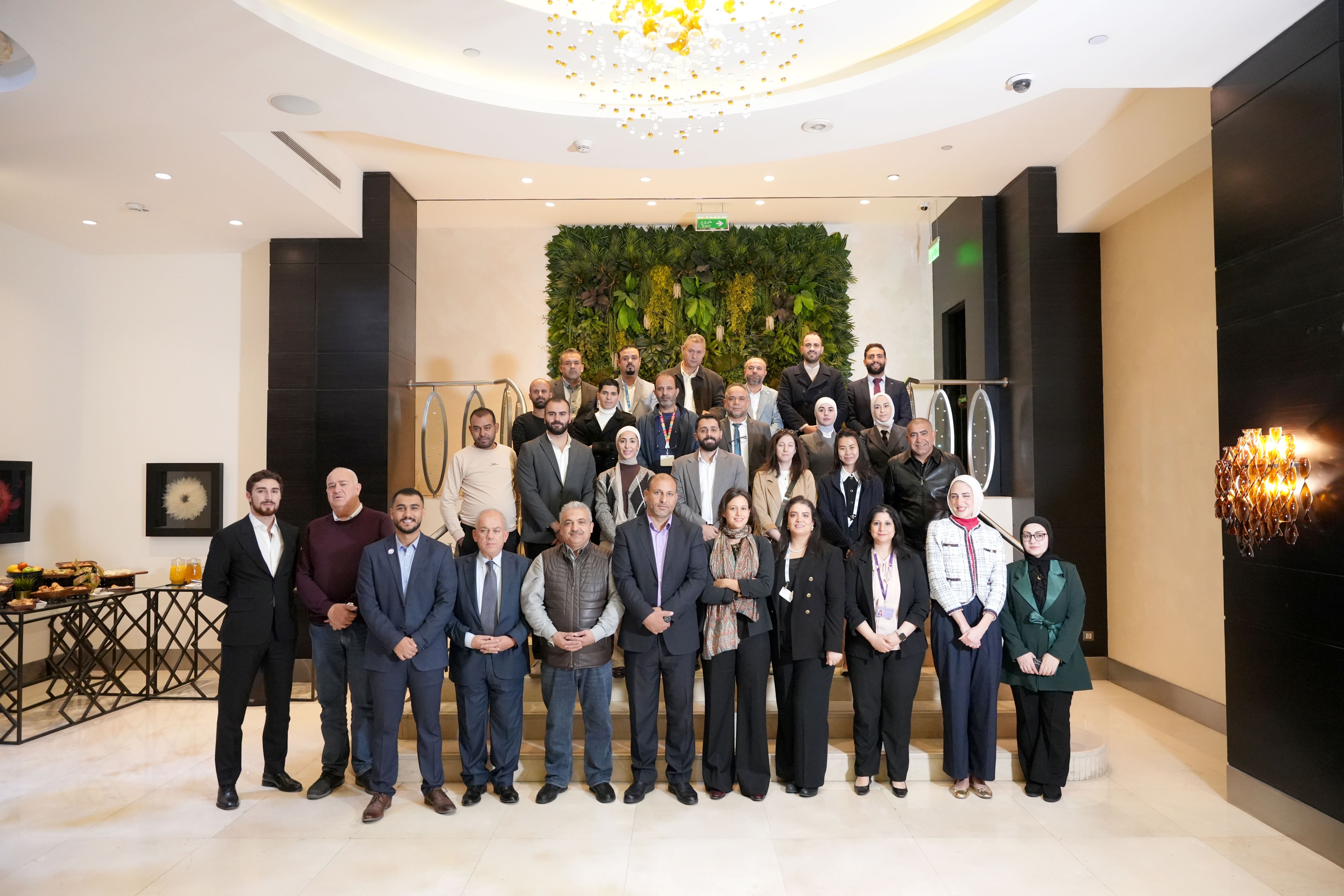
A High-Level Policy Dialogue on Sustainable Cold Chains
The programme opened on 30 November 2025 with a high-level dialogue bringing together representatives from key ministries, public institutions, research organisations, the private sector, and international partners.
The dialogue aimed to create a shared understanding of the role of sustainable cold chains in achieving Jordan’s food security and climate objectives. Participants discussed how cold chain development supports the implementation of the National Cooling Action Plan and contributes to reducing post-harvest losses, improving farmers’ incomes, and strengthening resilience across agri-food value chains.
During the opening session, FAO highlighted the scale of post-harvest losses in Jordan, particularly for fruits and vegetables, and emphasised that improved cold chains represent one of the most effective solutions to address this challenge. National authorities underlined the strong links between cooling, climate action, and sustainable development, while RSS/NERC reaffirmed its role as a national technical hub supporting energy-efficient and climate-friendly technologies.
Technical contributions from the IIR presented global trends in refrigeration, energy efficiency and environmental commitments, and their implications for national cold chain development. FAO shared practical insights from ongoing agrologistics and investment support activities in Jordan, while private-sector actors showcased affordable and modular cold storage solutions adapted to local markets and small- and medium-sized enterprises.
A dedicated panel discussion allowed ministries, research institutions, and financial partners to openly address key challenges, including:
- Fragmentation of responsibilities across institutions and the need for stronger coordination mechanisms.
- Gaps in data on post-harvest losses, cold chain coverage, and energy performance.
- Barriers faced by SMEs in accessing finance, technical assistance, and standardised guidelines.
- The potential role of national research centres and universities in training, testing, and demonstration.
The dialogue marked an important step toward sustained cross-ministerial and public–private collaboration on cold chain policy and investment in Jordan.
Technical Training for Cold Chain Practitioners
Following the policy dialogue, a two-day technical training was organised on 1–2 December 2025 at RSS/NERC facilities in Amman, combining classroom sessions, laboratory demonstrations, and a field visit.
Practical Capacity Building
The training targeted technicians, engineers, and practitioners working in cold stores, wholesale markets, food processing facilities, and refrigeration service companies. Its objectives were to strengthen technical capacity in the design, operation, and maintenance of energy-efficient, food-safe cold chain systems and to link theory with real-world practice.
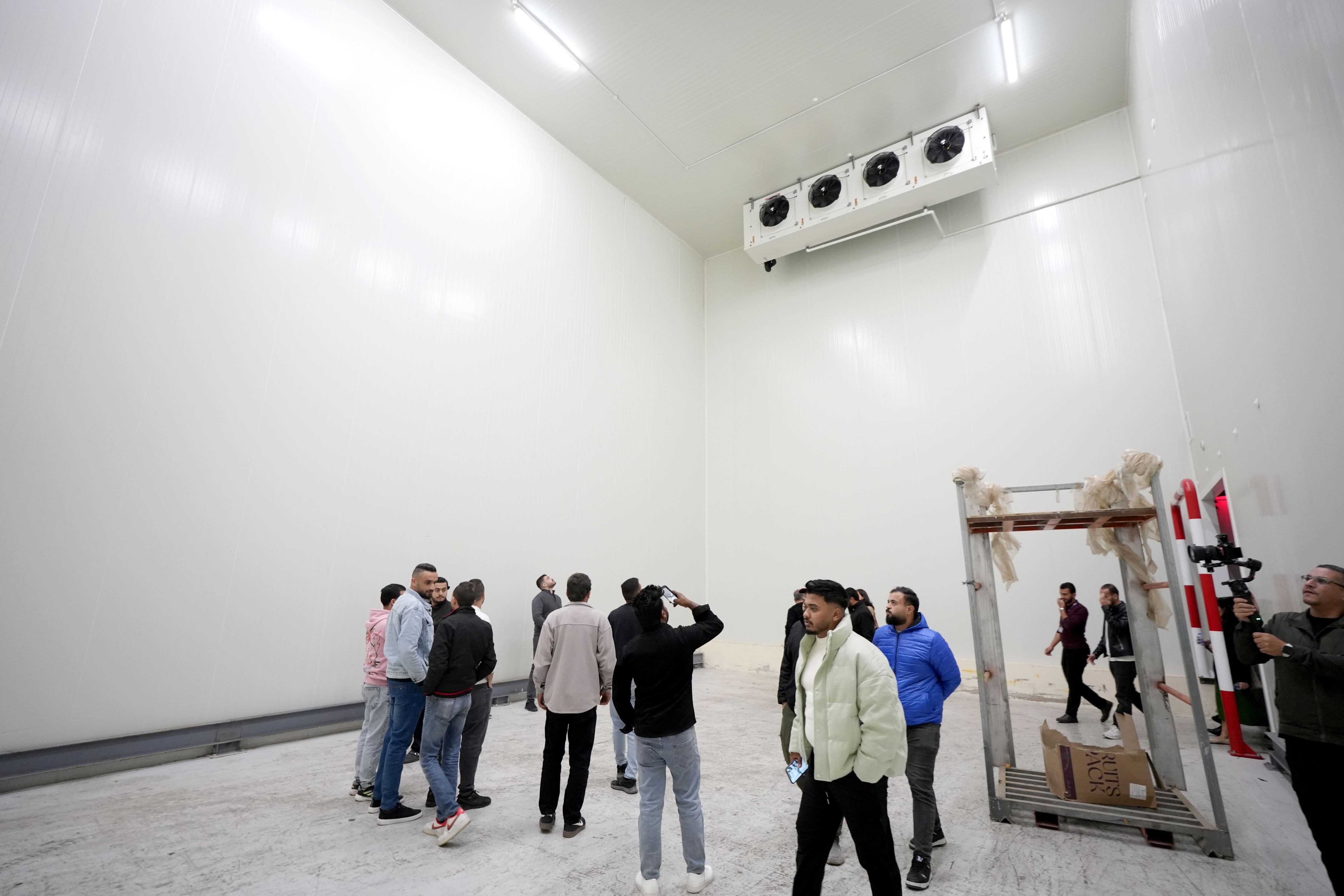
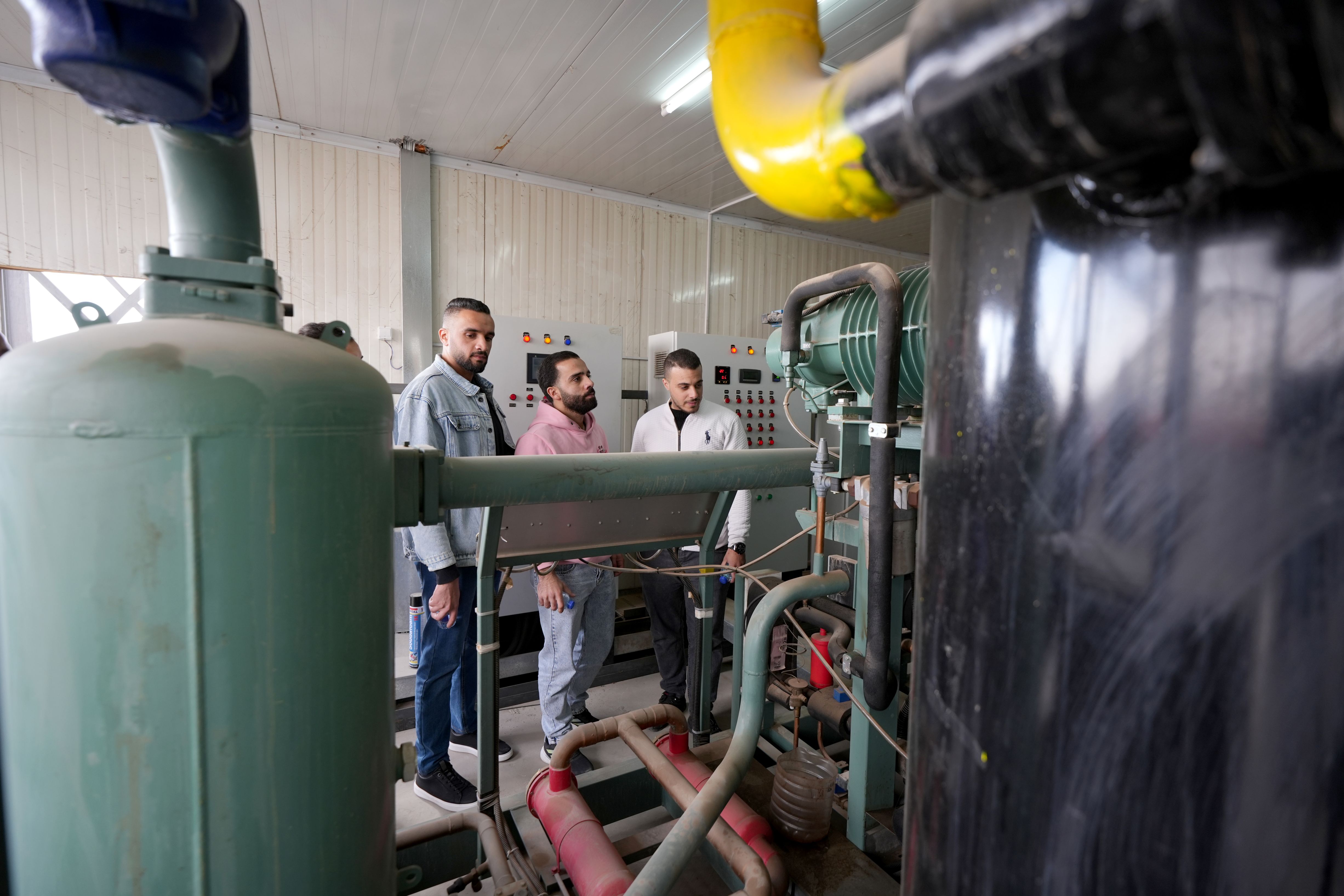
RSS/NERC delivered a dedicated safety session covering refrigerant risks, safe work practices, personal protective equipment , and emergency response. Participants then visited laboratory facilities to observe refrigeration setups and monitoring instruments, before taking part in a field visit to operational cold stores at the Amman Central Market, where daily operational challenges were discussed directly on site.
IIR Technical Expertise
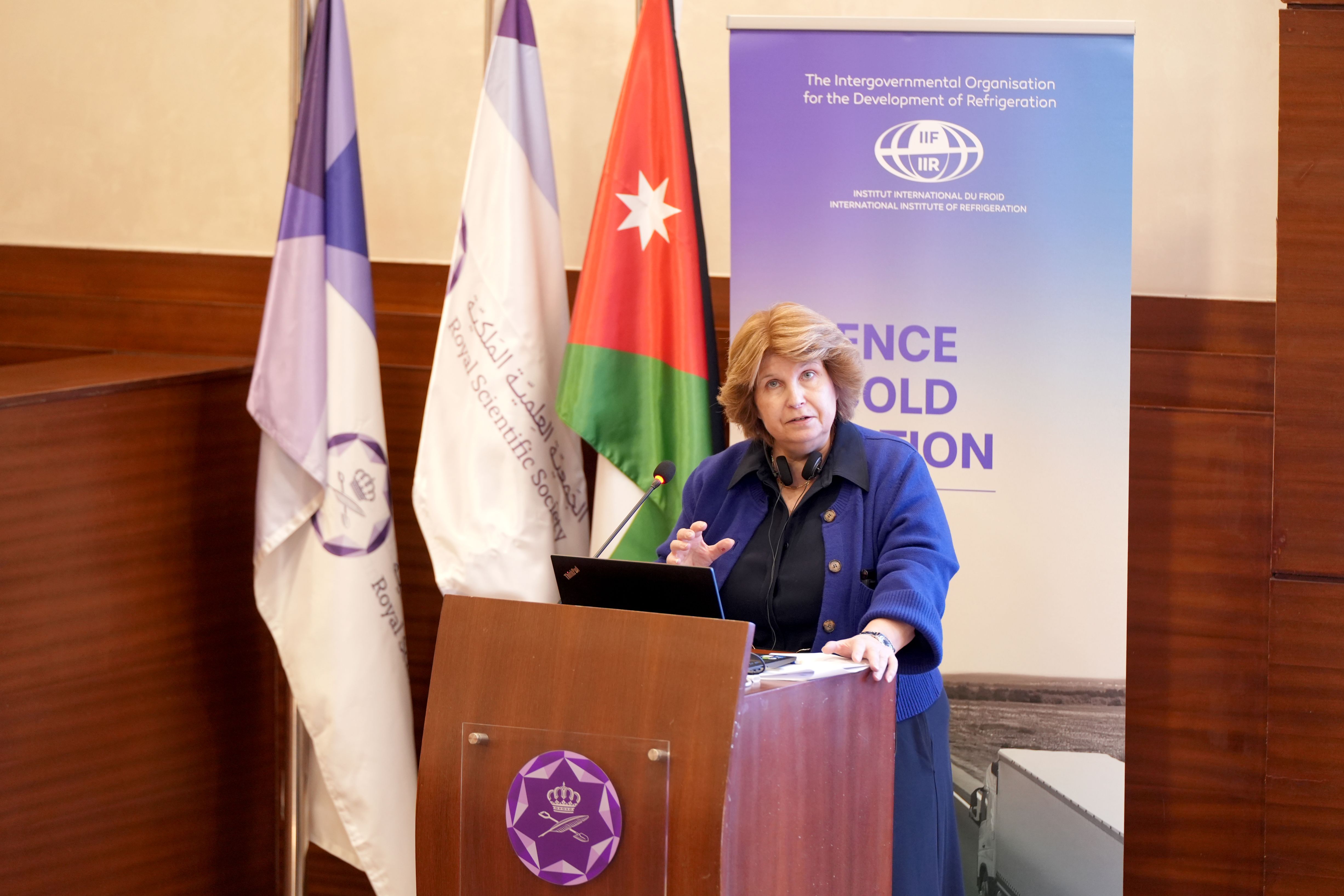
The core technical sessions were delivered by Prof. Judith Evans, President of IIR Section C (Commissions C1 and C2), with simultaneous Arabic interpretation.
Topics included:
- Fundamentals of agri-food cold chains and post-harvest management.
- Optimal storage conditions for different products and strategies to reduce losses.
- Refrigeration systems, components, and the transition to more sustainable, lower-GWP refrigerants.
- Measurement, monitoring, and basic performance indicators for food quality and energy efficiency.
- Cold room design, troubleshooting, and preventive maintenance.
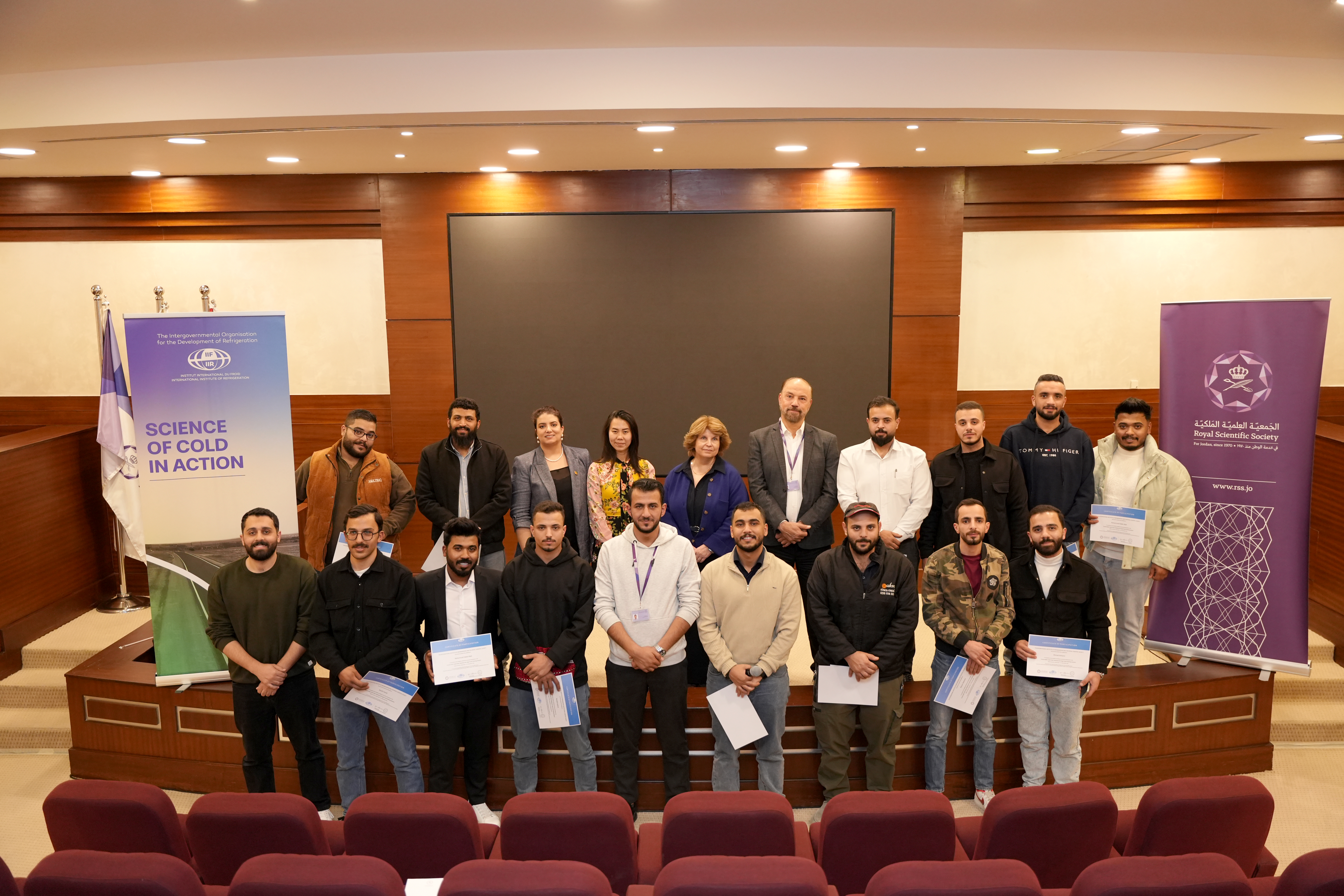
The training concluded with a closing session and the distribution of participation certificates, recognising the commitment of trainees to improving cold chain practices in Jordan.
Key Messages and the Way Forward
Feedback from participants highlighted the strong value of combining policy dialogue with hands-on technical training, as well as the importance of practical examples and field visits. Many participants expressed interest in follow-up modules focusing on advanced troubleshooting, energy auditing , and standard operating procedures.
Based on the outcomes of the high-level dialogue and the training, key priorities identified include strengthening stakeholder coordination, building capacity on natural and low-GWP refrigerants, supporting SMEs in preparing for financing opportunities, and moving decisively from planning to implementation of the National Cooling Action Plan and National Food Security Strategy.
Through this joint initiative with FAO and RSS/NERC, the International Institute of Refrigeration reaffirmed its commitment to supporting countries in developing sustainable cold chains that protect food, reduce losses, and contribute to climate and development goals.