
 Share
ShareAdapting Refrigeration to a Warming World: Highlights from IIR Adaptation 2025 Conference in Manchester
The first edition of the IIR International Conference on Adapting Refrigeration to Rising Temperatures has just wrapped up in Manchester, UK. Over 120 participants from academia, policy, and industry gathered to address climate-driven cooling challenges.
Manchester, UK – 13 August 2025 — As global temperatures continue to rise, the 1st IIR International Conference on Refrigeration Adapting to Rising Temperatures convened in Manchester on 10-13 August to address one of the most pressing challenges of our time – how to adapt to the rising temperatures.
Hosted by the Institute of Refrigeration of the United Kingdom (IOR) in partnership with the International Institute of Refrigeration (IIR), the event brought together over 120 delegates from across the globe. Over four days, participants explored innovative solutions to ensure that refrigeration, air conditioning, and heat pump (RACHP) systems remain effective, sustainable, and accessible in the face of intensifying climate impacts.
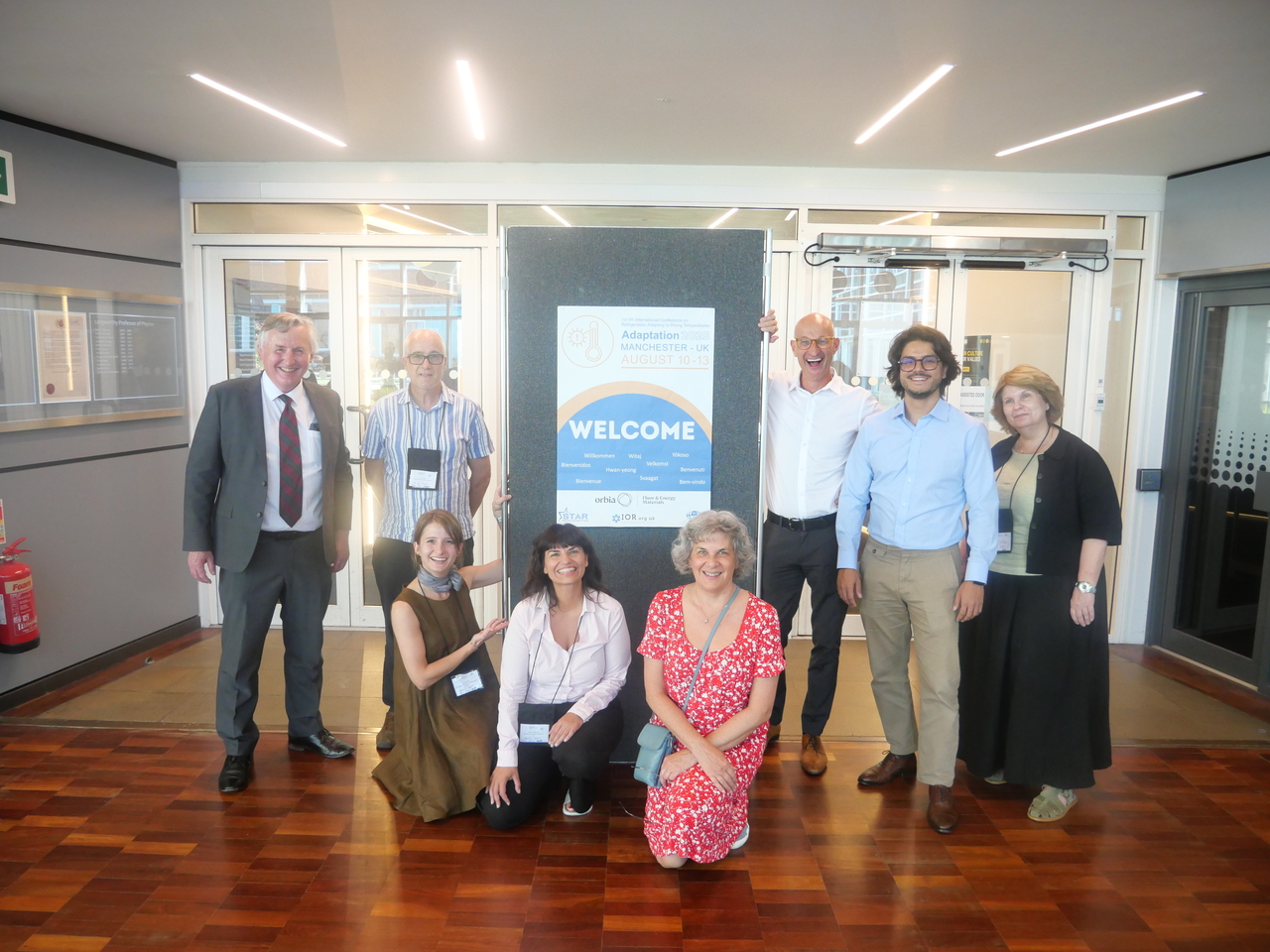
The conference was chaired by Andy Pearson, Group Managing Director at Star Refrigeration and member of the E1 Commission of IIR. In his welcome address, he underscored the pressing climate adverse effects in society and the crucial role of the refrigeration community to face these challenges.
In his opening address, Marco Duran, representing the IIR, welcomed scientists, policymakers, and industry leaders, emphasising the critical role of refrigeration in building climate resilience. “Access to sustainable refrigeration is a fundamental right,” he stated, underscoring the IIR’s nearly 120 year-long commitment to scientific collaboration and innovation.
Key Messages from the Conference
Cooling as Critical Infrastructure
In his keynote, Dr. Tim Fox, highlighted that refrigeration must be recognised as mission-critical infrastructure. He referred to its essential role in public health, food security, industrial processes, and economic stability. As climate change drives more frequent and severe heatwaves, cooling systems are no longer a luxury but a necessity for societal resilience, as explored in the Living in a +50 °C World report.
Building Resilient Food Systems
Dr Pete Falloon, Science Lead for Food Security at the UK Met Office, delivered a compelling keynote on the systemic risks climate change poses to the UK food system. Drawing on climate modelling and agri-environmental data, he highlighted how rising temperatures and extreme weather events threaten food production, supply chains, and consumer access, from farm to fork. He emphasised the need for data-driven adaptation strategies, including the integration of climate risks into planning and operations, and stronger cross-sector collaboration.
Adapting Homes and Cities
Dr. Ruth Wood of the University of Manchester delivered a keynote focused on the vulnerabilities of housing stock in the UK and beyond. Her research revealed that many homes are not ready to handle rising temperatures, especially in urban areas. She called for integrated retrofit strategies that combine passive solutions (such as shading and ventilation) to reduce cooling loads with mechanical solutions, tailored to local climate risks and building types. Prof. Wood’s presentation underscored the importance of urban planning and policy alignment in addressing overheating risks, particularly for vulnerable populations.
The conference explored a wide range of themes, including:
- Managing risk and resilience in cold chains and healthcare infrastructure
- Low-carbon innovation, including leak-tight systems and climate-friendly refrigerants
- Networked cooling solutions, such as district cooling and looped heat-pump systems
- Retrofitting and design strategies for high ambient temperatures
- Smart solutions for extreme weather events and energy demand management
The event featured over 50 technical papers, five interactive workshops, and a students’ networking session. The networking session organised in the context of IIR’s CaRe working group, paired students with senior experts to explore pursuing a career in the refrigeration sector, discuss motivations, opportunities and mentoring.
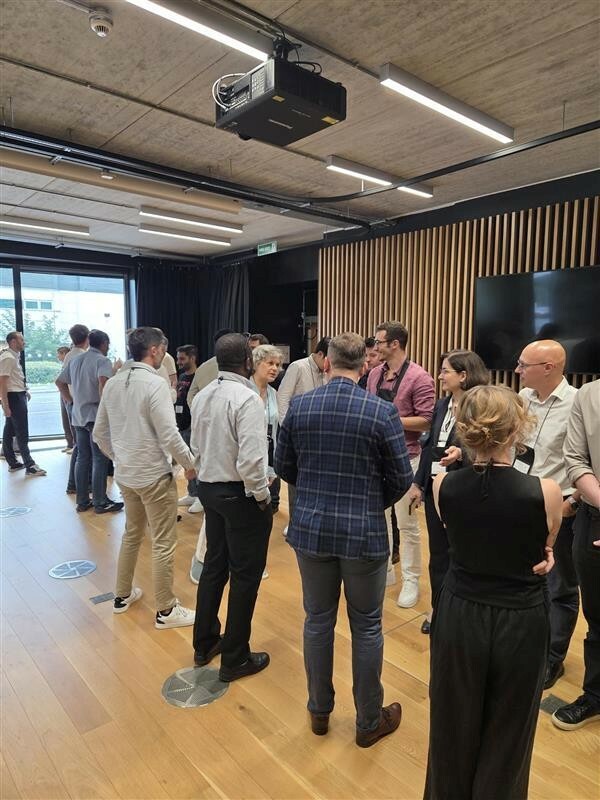
The conference reinforced a shared understanding: refrigeration is vital to human well-being and planetary health. As the world moves beyond the 1.5°C threshold, adaptation must be swift, inclusive, and sustainable. The IIR and the IOR continue to lead the charge, promoting scientific collaboration and policy engagement to ensure that cooling technologies evolve to meet the demands of a changing climate.
For more information on the conference and upcoming initiatives, visit our conference series page.