 Share
ShareSophiA Final Consortium Event: The IIR’s Strong Involvement in Sustainable Refrigeration Solutions for Africa
The Final Consortium Meeting of the SophiA Project took place in Karlsruhe, Germany, on 17–18 September 2025, co-organised by the International Institute of Refrigeration (IIR) and Hochschule Karlsruhe (HKA) and OST – Eastern Switzerland University of Applied Sciences.
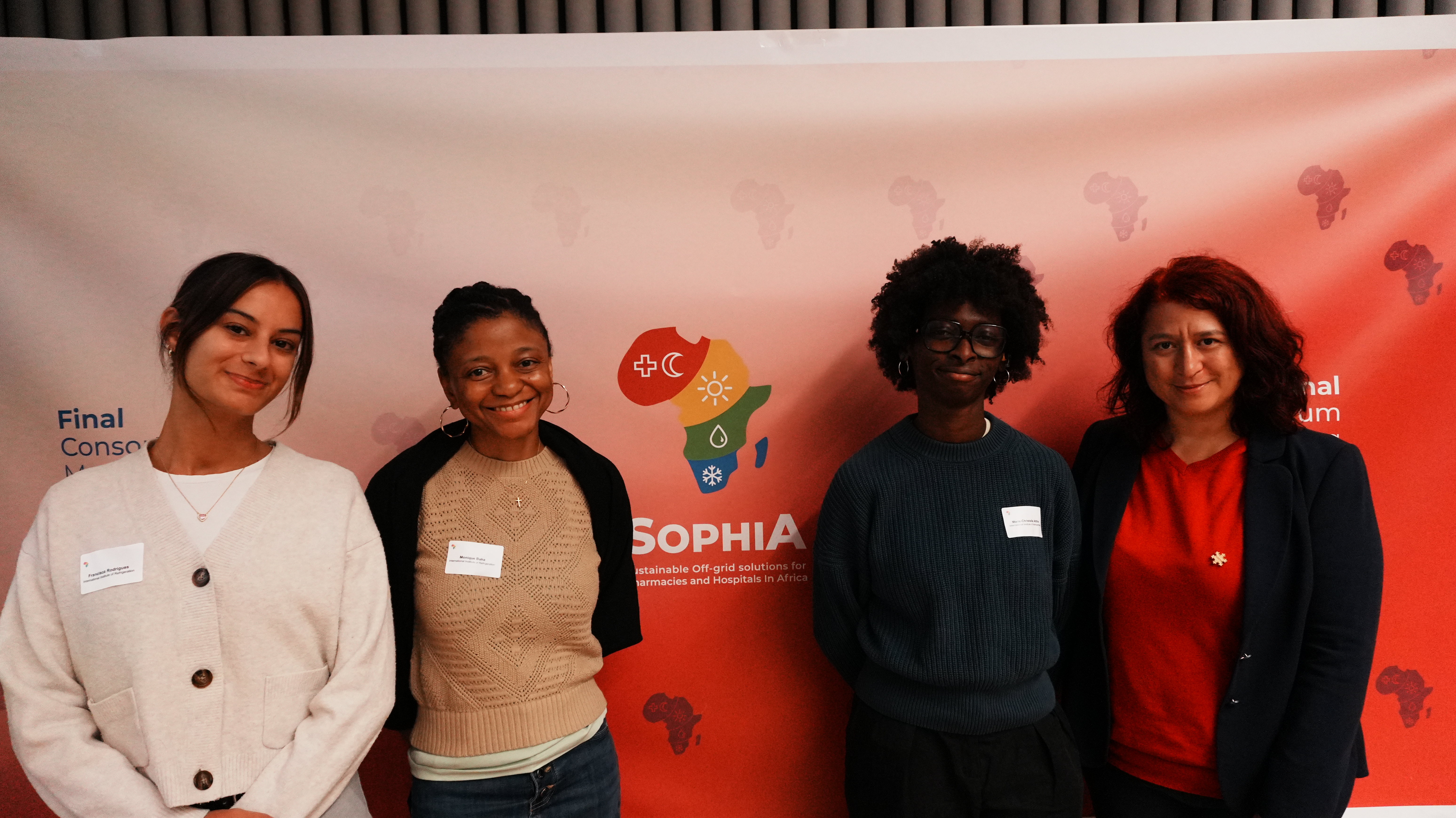
The event brought together project partners, local stakeholders, policymakers, and sister initiatives to celebrate SophiA’s achievements and discuss future perspectives. The IIR played a central role in both the organisation of the meeting and the discussions held across the two days.
Training the Trainers and national efforts
The week began with a two-day Training the Trainers session, attended by more than 30 participants from SophiA pilot countries and partners from the IIR, RAACH Solar, U-3ARC and 2iE in Burkina Faso. During these sessions, participants from Burkina Faso, Cameroon, Malawi and Uganda also shared their respective national efforts to phase out R22, underlining the importance of natural refrigerants in the transition to sustainable cooling solutions.
Policy recommendations and women in refrigeration
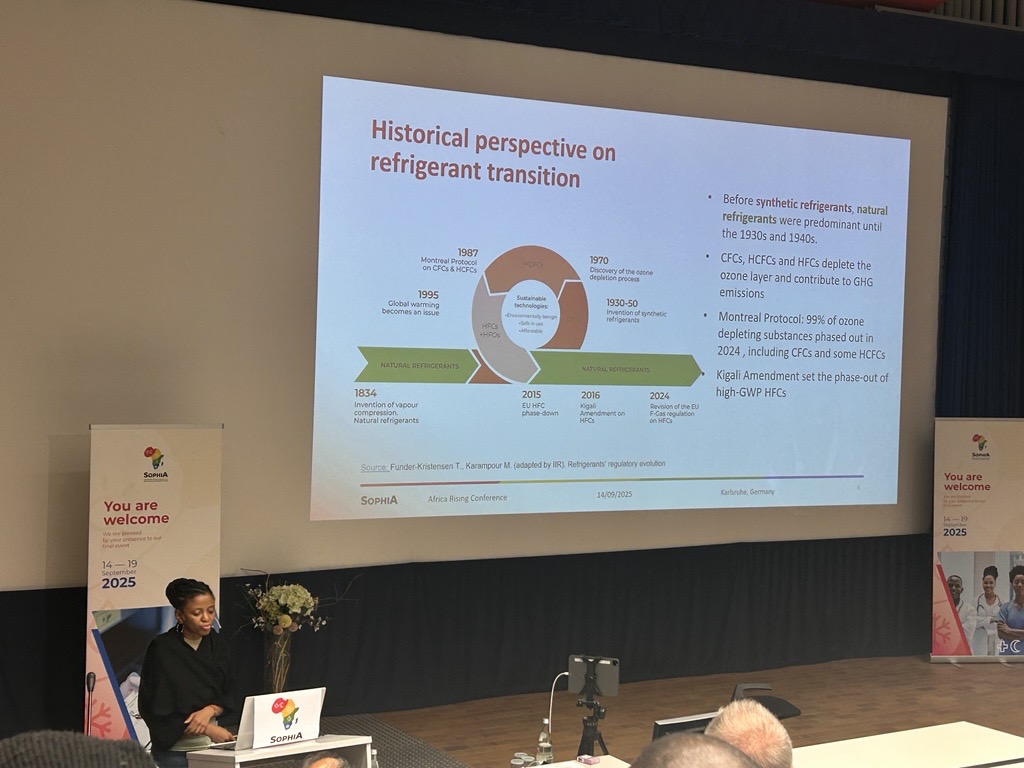
A highlight of the event was the presentation of a policy brief on natural refrigerants in Africa, initiated by Mihaela Kauffeld (HKA/OST) and developed in close collaboration with the IIR. Monique Baha, Scientific Writer at the IIR, delivered a policy brief designed for policymakers, underlining the opportunities and barriers associated with the switch to natural refrigerants in Africa. She highlighted their many benefits, while also pointing out challenges such as the limited availability of equipment and refrigerants, which can result in high tariffs on imported refrigeration technologies. The policy brief is available here: Natural refrigerants in Africa.
In a second presentation, Monique focused on women in refrigeration, stressing the urgent need for a new generation of skilled technicians to replace an ageing workforce. She showcased the IIR’s Women in Cooling Database, an interactive tool compiling international survey data on women working in the refrigeration, air conditioning, and heat pump sector, and highlighted their inspiring career stories.
Financing sustainable projects
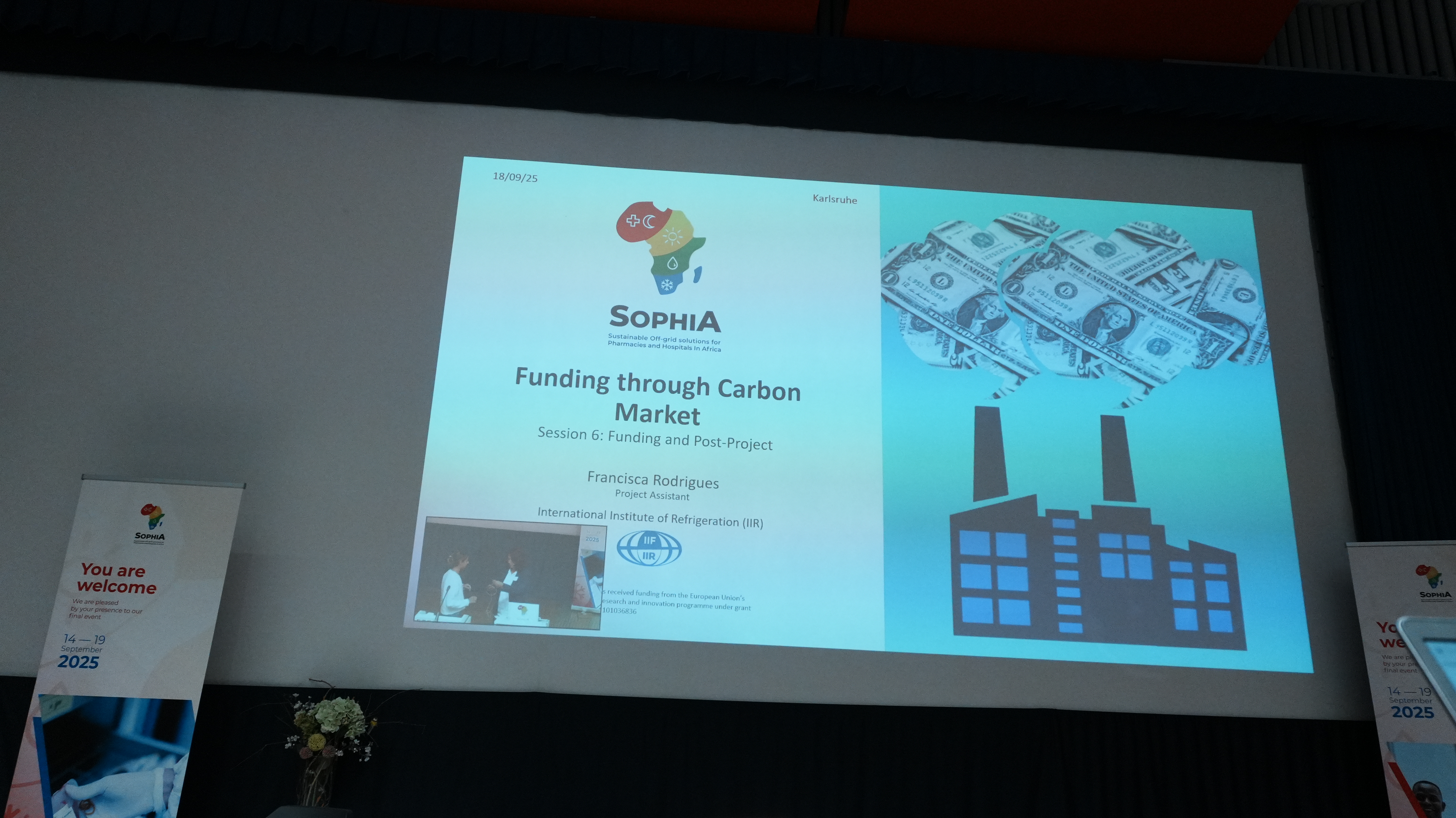
Francisca Rodrigues, Project Assistant at the IIR, presented the a potential way to continue financing the SophiA project beyond EU support through carbon market mechanisms. Drawing on the Life Cycle Assessment (LCA) of SophiA, she explained how the project’s demonstrated greenhouse gas reductions could be converted into carbon credits, opening new pathways for long-term financial sustainability.
The programme also featured a session on 'Hospitals/Container Experiences/Site Presentation', during which Halima Thraya, Chair of the IIR Working Group on the Cold Chain in Warm Countries, was present to moderate discussions and highlight feedback from the SophiA demonstration sites.
Engagement and dissemination
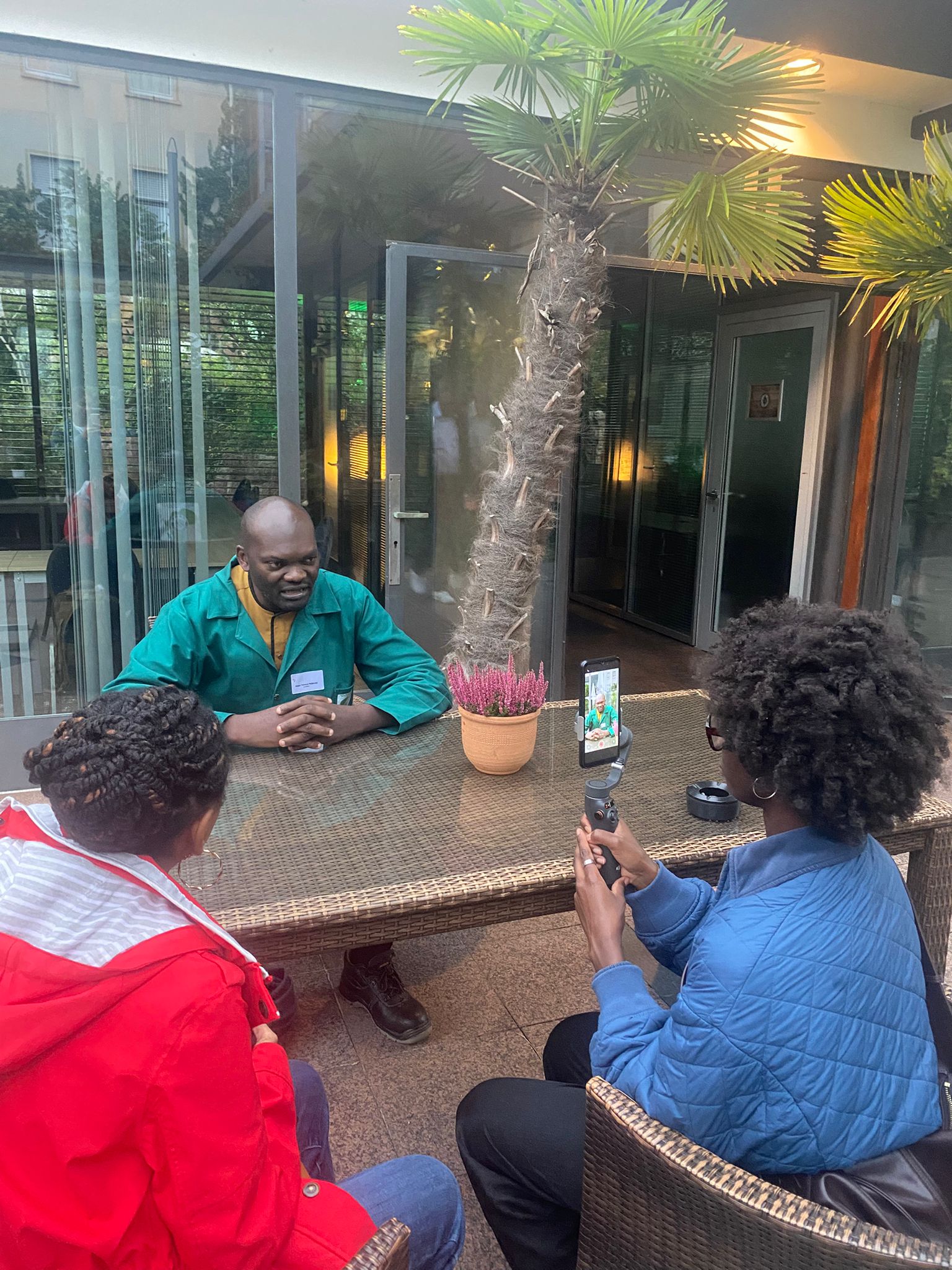
The IIR team also conducted interviews with participants, gathering valuable feedback on the project’s impact and the importance of such initiatives in addressing Africa’s energy, water, and healthcare challenges. These interviews will be published shortly.
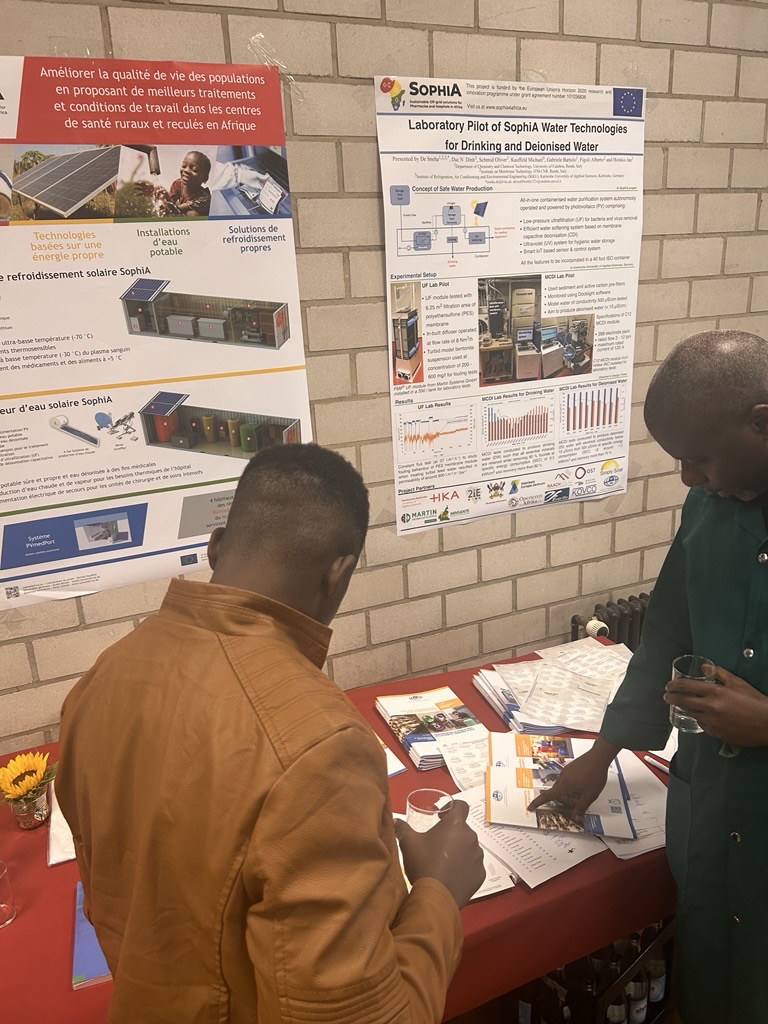
In addition, the IIR distributed several of its publications to further disseminate knowledge and promote best practices in refrigeration and sustainable technologies.
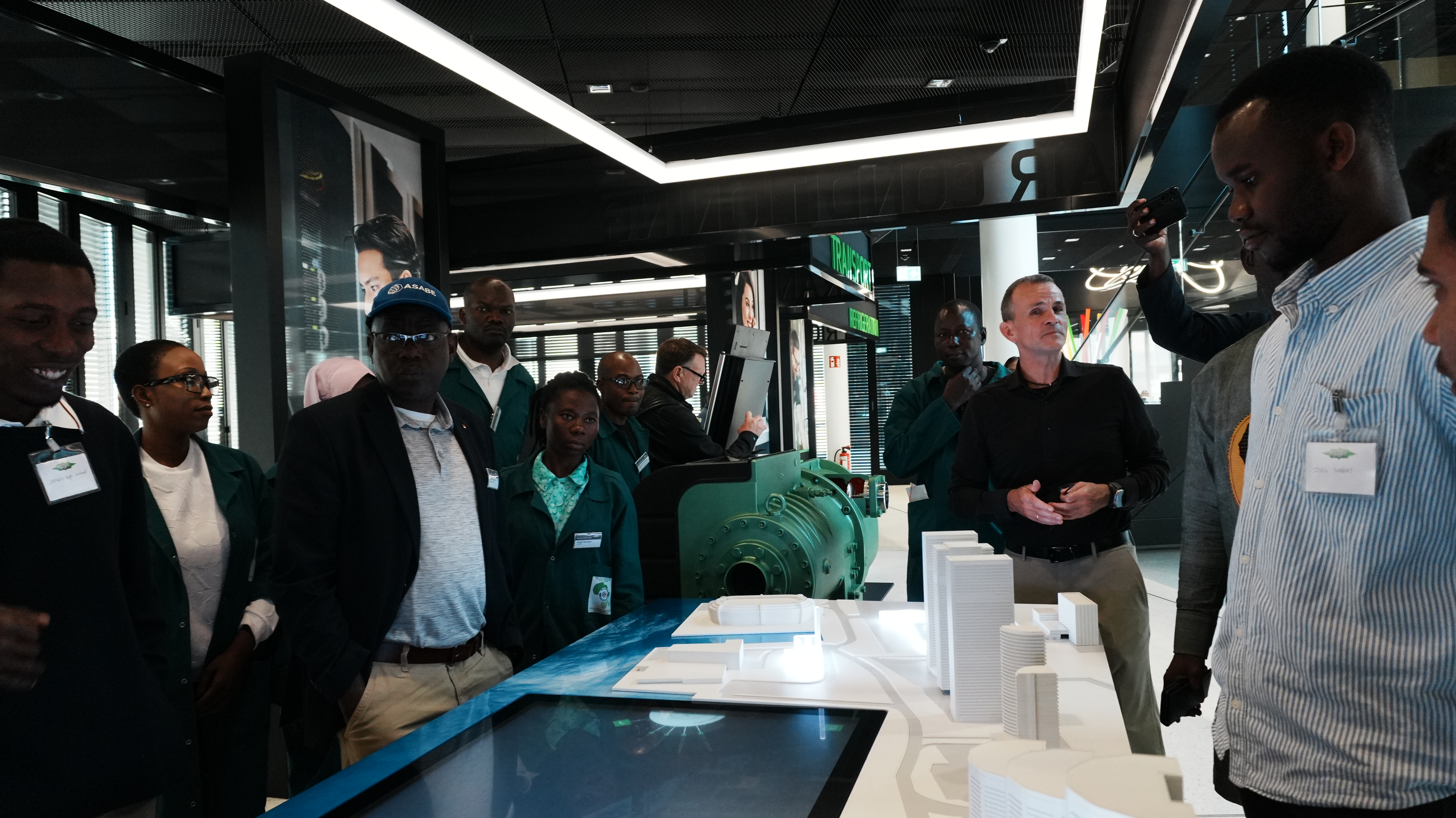
Excursion to BITZER and the SCHAUFLER Academy
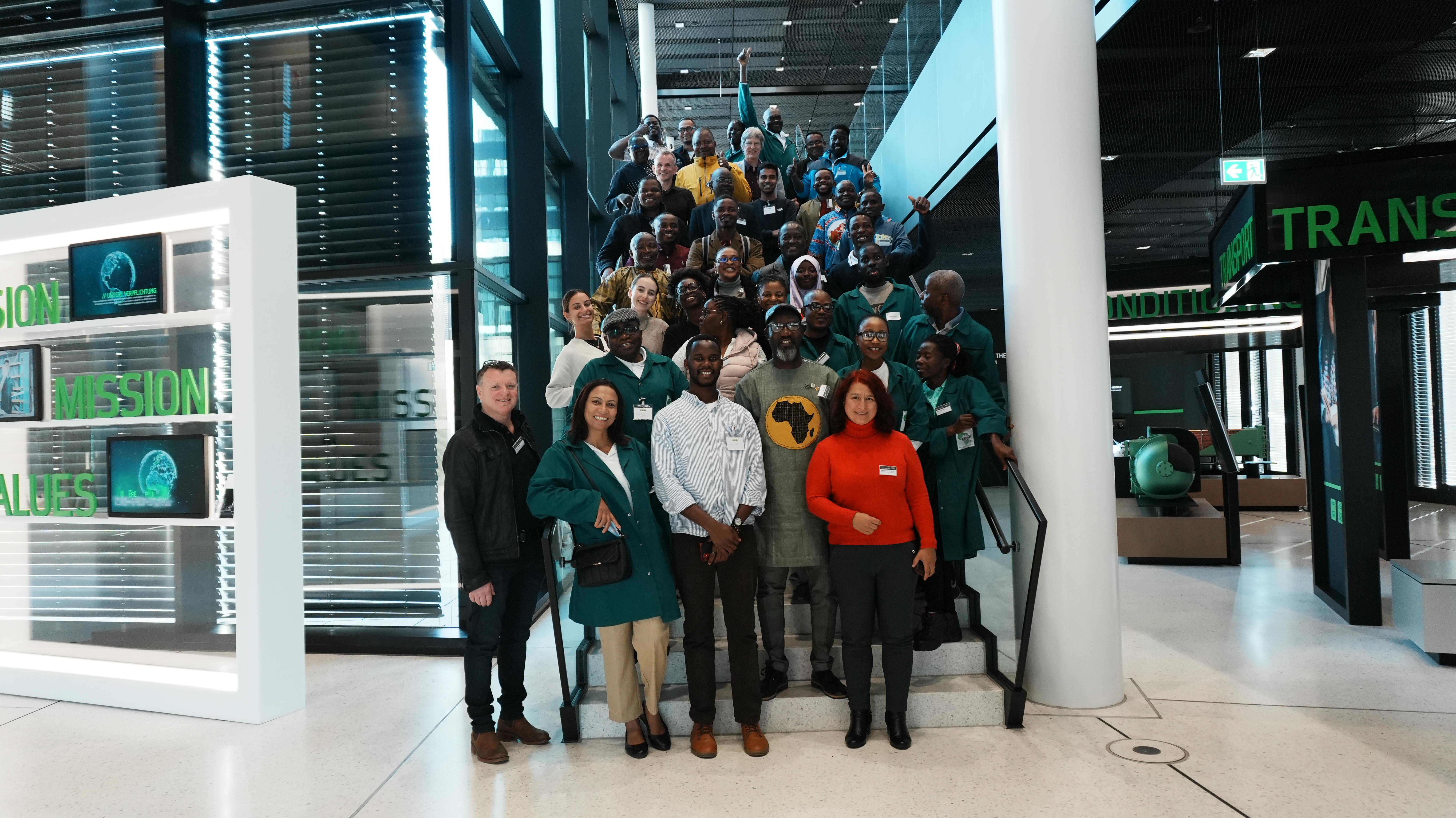
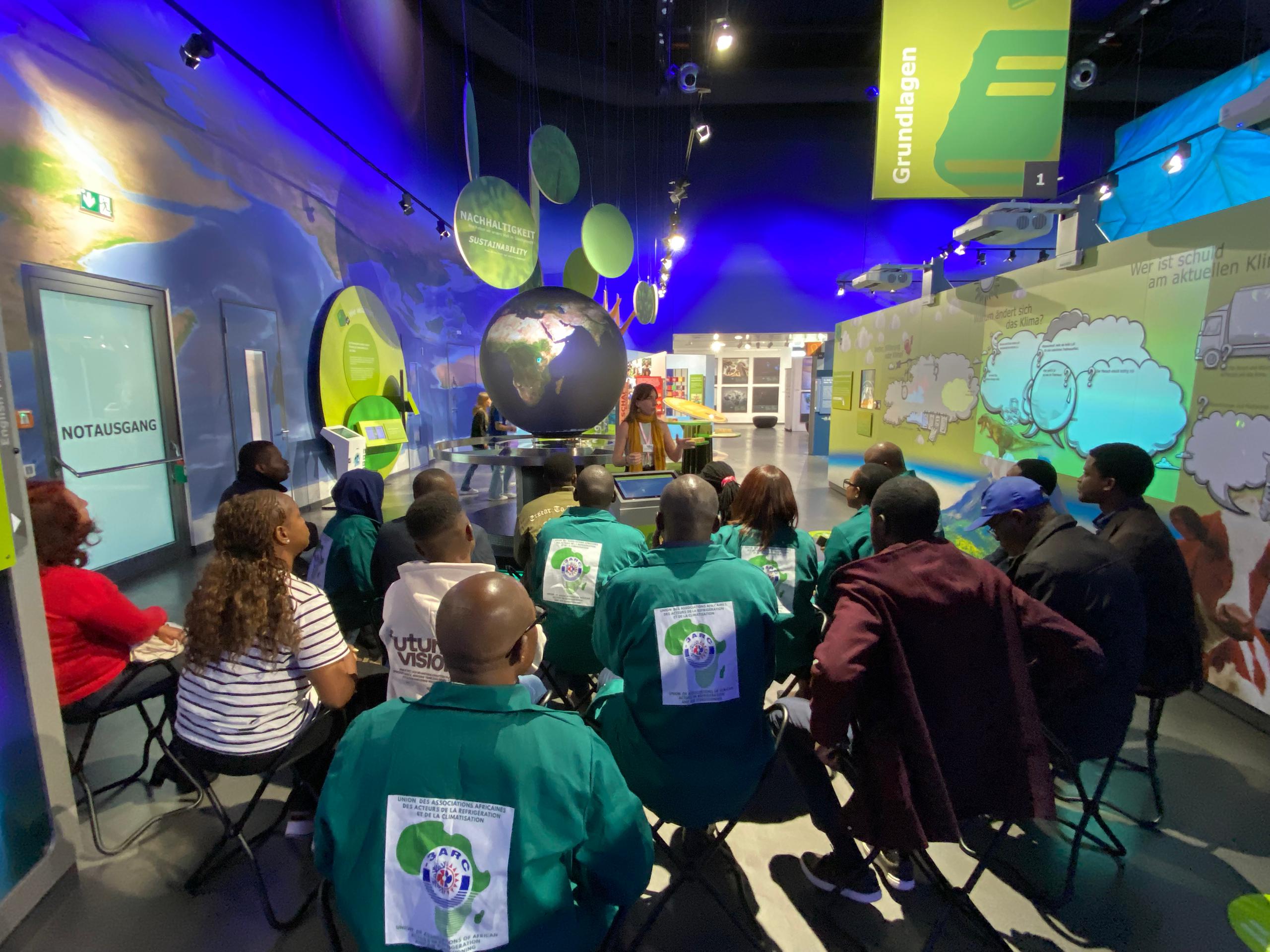
On the final day, the consortium was welcomed at BITZER Headquarters and the SCHAUFLER Academy. The visit offered participants an enriching opportunity to deepen their practical knowledge of refrigeration technology, energy efficiency, and safety practices, providing an inspiring conclusion to the meeting.
The SophiA Final Consortium Event not only celebrated the achievements of the project but also opened the door to new perspectives on sustainable refrigeration in Africa. Thanks to the joint efforts of HKA, OST and the IIR, the event highlighted both technical and policy dimensions of the project’s results.